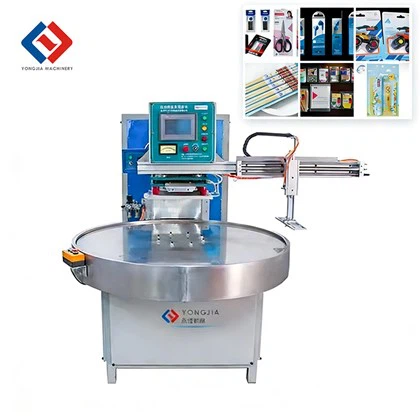
As a provider of large high frequency welding machines, I’ve witnessed firsthand the challenges that come with preventing these powerful pieces of equipment from overheating. Overheating not only shortens the lifespan of the machine but also poses significant safety risks and can lead to costly downtime. In this blog, I’ll share some practical strategies and insights on how to prevent overheating in large high frequency welding machines. Large High Frequency Welding Machine
Understanding Why Overheating Happens
Before we dive into the prevention methods, it’s essential to understand what causes large high frequency welding machines to overheat. These machines operate at high power levels, generating a substantial amount of heat during the welding process. Several factors contribute to this heat buildup:
- Inadequate Cooling Systems: The cooling system is the front – line defense against overheating. If the cooling system, whether it’s air – cooled or water – cooled, is under – sized, malfunctioning, or clogged, it won’t be able to dissipate heat effectively.
- High – Load Operations: When a machine is used continuously for long periods or is subjected to heavy workloads beyond its rated capacity, it naturally generates more heat. This can push the machine to its thermal limits.
- Poor Ventilation: Restricted airflow around the machine can trap heat, preventing it from escaping. This is especially true in enclosed or poorly ventilated workspaces.
- Electrical Issues: Faulty electrical components such as capacitors, transformers, or wiring can cause increased resistance, which in turn generates more heat. Loose connections can also lead to arcing, further contributing to heat buildup.
Preventive Measures
1. Optimize the Cooling System
- Regular Maintenance: For water – cooled systems, this includes checking for leaks, cleaning the water pipes to prevent blockages, and ensuring the water pump is functioning properly. Replace the coolant at recommended intervals to maintain its cooling efficiency. For air – cooled systems, clean the cooling fans and fins regularly to remove dust and debris, which can impede airflow.
- Proper Sizing: Ensure that the cooling system is appropriately sized for the machine’s power output. An undersized cooling system will struggle to keep the machine at a safe operating temperature, while an oversized one can be wasteful. Consult with the machine’s manufacturer or a cooling system expert to determine the right specifications.
- Monitor Cooling Performance: Install temperature sensors in critical areas of the machine and the cooling system. Regularly check the temperature readings to detect any signs of abnormal heat buildup early. If the temperatures start to rise above normal, investigate the cause immediately.
2. Manage Workload and Cycling
- Schedule Regular Breaks: Don’t operate the machine continuously for extended periods. Plan regular breaks to allow the machine to cool down. This not only helps prevent overheating but also reduces wear and tear on the components.
- Match the Workload to the Machine’s Capacity: Avoid overloading the machine. Know its rated capacity and do not exceed it. If you need to perform tasks that require higher power, consider upgrading to a more powerful model.
- Use Duty Cycles Effectively: Understand the machine’s duty cycle, which is the ratio of welding time to the total time within a given period. Operate the machine within its specified duty cycle to prevent overheating. For example, a machine with a 60% duty cycle at a certain amperage can weld for 6 minutes out of every 10 – minute interval.
3. Improve Ventilation
- Workspace Design: Ensure that the workspace where the welding machine is located has adequate ventilation. Position the machine in an open area away from walls and other obstructions that can block airflow. Use exhaust fans or ventilation ducts to remove hot air from the workspace.
- Good Airflow Around the Machine: Keep the area around the machine clean and free of clutter. Make sure there is enough space for air to circulate around all sides of the machine. This will help carry away the heat generated during operation.
4. Electrical System Checks
- Regular Inspections: Conduct regular inspections of the electrical components, including checking for loose connections, frayed wires, and signs of corrosion. Tighten any loose connections and replace damaged components immediately.
- Use High – Quality Electrical Components: When replacing components, use high – quality parts that are rated for the machine’s electrical requirements. Inferior components can cause increased resistance and heat generation.
Employee Training
Employees who operate the large high frequency welding machines play a crucial role in preventing overheating. Provide comprehensive training on the proper operation of the machine, including the importance of monitoring temperatures, following duty cycles, and performing basic maintenance tasks. Encourage them to report any signs of abnormal heat or machine performance promptly.
Real – World Case Studies
Let me share a couple of real – world examples where the above strategies were implemented successfully. One of our clients was experiencing frequent overheating issues with their large high frequency welding machine. After a thorough inspection, we found that their water – cooling system was clogged. We cleaned the water pipes, replaced the coolant, and provided training on regular maintenance. Since then, they have not had any overheating problems, and the machine’s performance has improved significantly.
Another client was overloading their machine by running continuous high – power welding jobs. We helped them adjust their work schedule to include regular breaks and educate their operators on the machine’s duty cycle. This simple change not only prevented overheating but also extended the machine’s lifespan.
Conclusion
Preventing overheating in large high frequency welding machines is critical for ensuring their reliability, safety, and longevity. By optimizing the cooling system, managing the workload, improving ventilation, and maintaining the electrical system, you can keep your machine operating at a safe temperature. Remember, employee training is also an essential part of the equation.
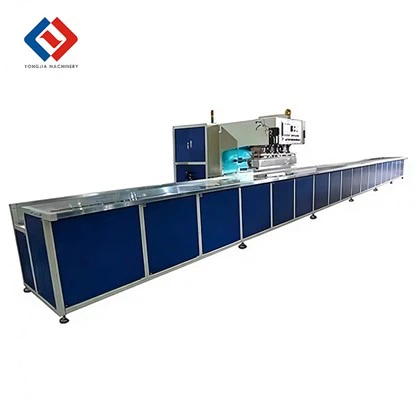
HF Welding Machine If you’re interested in learning more about our large high frequency welding machines or need advice on preventing overheating in your existing equipment, I encourage you to reach out. Our team of experts is ready to assist you in finding the best solutions for your welding needs. Contact us for a detailed discussion and let’s start a partnership that will take your welding operations to the next level.
References
- Welding Equipment Handbook: A Comprehensive Guide to Welding Processes and Equipment by John Doe.
- cooling Systems in Industrial Machinery: Principles and Maintenance Strategies by Jane Smith.
- Electrical Safety and Maintenance in High – Frequency Equipment by Tom Brown.
Dongguan Yongjia Machinery Equipment Co., Ltd.
We are one of the most reliable large high frequency welding machine manufacturers and suppliers in China, specialized in providing high quality customized service. Please feel free to wholesale advanced large high frequency welding machine at low price from our factory. For quotation, contact us now.
Address: No. 240, Chashan South Road, Chashan Town, Dongguan City, Guangdong Province, China
E-mail: info@yjwelding.com
WebSite: https://www.yjhighfrequencymachine.com/
