What is the rotor design of a personal care brushless motor? If you’ve ever used an electric toothbrush, a facial cleansing device, or a hair trimmer that runs quiet and doesn’t burn out after a year of use, you’ve interacted with a tiny but critical component: a brushless motor. And if you’re like the other product managers I talk to at trade shows, the rotor design is the part that’s hard to figure out at first glance—until you realize it’s what makes your device feel smooth, efficient, and long-lasting. Let me break this down like I would to a engineer buddy over coffee, no jargon overload, and throw in why this matters for us as your personal care brushless motor supplier. Personal Care Brushless Motor

First, let’s get the basics straight: a brushless motor (BLDC, for short—everyone uses this abbreviation now, right?) has two main parts: the stator, which is the stationary outer ring with coils of wire, and the rotor, the inner spinning part that connects to your device’s head or shaft. Unlike old brushed motors that had brushes rubbing and wearing out, BLDCs use magnets on the rotor and electric current switching on the stator to spin it. The rotor’s design isn’t just “a magnet inside”—it’s tailored specifically for personal care, where space is tight, noise is a big no, and battery life is make-or-break for customers.
Let’s start with the most common rotor type we use for most electric toothbrushes and facial brushes: the surface-mounted permanent magnet (SPM) rotor. This is the one where you’ve got neodymium magnets glued right to the outer surface of the rotor core—thin steel lamination stack, like a tiny metal disk with magnets stuck around the edge. For personal care, this works because it’s super simple to manufacture on small scales, which is key when you’re cramming a motor into a device that’s only 15mm wide. Wait, but why neodymium? Because it’s the strongest permanent magnet you can get without making the rotor too heavy. Personal care devices don’t have a lot of space for big motors, so we need magnets that pack more force in a smaller package. The downside of SPM? The magnets are on the surface, so they can chip if you drop the device, but we mitigate that by coating them with a thin epoxy layer that’s food-safe (super important for products that go near mouths or skin, right? We don’t want any metal or magnet fragments getting loose).
Then there’s the internal permanent magnet (IPM) rotor. This is the fancier one, where the magnets are embedded inside the steel rotor core, not stuck on the outside. IPM rotors are a game-changer for personal care tools that need high torque at low speeds—think a facial cleansing brush that needs to spin slowly but firmly, or a beard trimmer that has to work through thick hair without stalling. The magnets inside the steel core mean they’re protected, so no chipping, and the design also uses something called reluctance torque, which helps the motor run more efficiently at the low speeds people actually use in personal care. Here’s a thing most people don’t tell you: when you’re making a device that runs on a AA battery, efficiency is everything. An IPM rotor might cost a little more, but it can extend battery life by 20% or more, which is a huge selling point for consumers. We use IPM rotors for premium lines—those $50+ electric toothbrushes or sonic facial devices—because the price jump is worth the customer satisfaction.
Wait, let’s not forget about sensorless vs. sensor-equipped rotors? No, wait—actually, the rotor doesn’t care about sensors, it’s the stator controller that does. But how the rotor interacts with the stator’s magnetic field is different. For personal care, most of our motors are sensorless, which means we don’t have little Hall effect sensors on the rotor to track its position. Why? Adding sensors adds cost and takes up space inside the tiny motor housing. Sensorless BLDCs use back-EMF (electromotive force) to figure out where the rotor is, which works great for personal care because these motors don’t need super high-speed precision (most spin at 3,000 to 20,000 RPM, which is way lower than drone motors). But here’s a catch: if you’re using a rotor that’s unbalanced, the sensorless controller can’t adjust, leading to that annoying vibration or noise people hate. That’s why we balance every rotor we make to within 0.5g·mm—no more wobbly heads, no more “that toothbrush feels like it’s vibrating out of my hand” complaints.
Another thing unique to personal care: the rotor has to be compatible with waterproofing. I know, motors getting wet? Sounds crazy, but your average electric toothbrush is designed to be rinsed under the faucet. So the rotor has to be sealed inside the motor housing, and the materials matter. We use rotors with stainless steel shafts, not regular steel, because regular steel rusts when it gets wet, and rust flakes can get into the water or onto your skin. The neodymium magnets also get coated in a nickel-copper-nickel layer, which is corrosion-resistant, so even if the epoxy coating gets a tiny scratch (hey, accidents happen), the magnets don’t degrade. No one wants a motor that stops working after six months because of water damage—we’ve tested our rotors by submerging them in water for 24 hours straight, and they still run like new.
Let’s talk about a mistake we see other suppliers make: cutting corners on rotor lamination. The rotor core is made of thin steel sheets stacked together, right? If you use cheap, thick steel sheets, the rotor gets heavy, which means the motor uses more power, runs hotter, and wears out faster. For personal care, heat is a big issue—no one wants a facial brush that burns their cheek, or a toothbrush that feels warm in their hand. We use 0.2mm thick lamination sheets, not 0.5mm, because that keeps the rotor light and reduces eddy current loss (the little bits of energy that turn into heat). That’s one of the reasons our motors run 10-15°C cooler than competitors’ at the same RPM—small design choices, but they add up to a way better customer experience.
What about the rotor for high-speed sonic personal care devices? Oh right, sonic toothbrushes spin or oscillate at like 30,000 RPM, which is way faster than regular spin toothbrushes. For these, we use a balanced SPM rotor, but with a smaller core diameter—like 8mm instead of 12mm. Why? Smaller diameter means the rotor can spin faster without causing too much vibration, and we pair it with a special magnet design that aligns perfectly with the stator’s coils. The key here is that the rotor has to be extremely precise—any tiny wobble at 30,000 RPM will turn into a loud, annoying noise. We have a team that checks every rotor under a high-speed balance tester, so we can guarantee that the noise level is under 40dB (that’s quieter than a library whisper, by the way).
Wait, let’s switch to why this matters for you, the person looking for a personal care brushless motor supplier. I’ve talked to so many product designers who just think “BLDC is BLDC” and don’t realize that rotor design is the main driver of performance, cost, and reliability. If you’re making a budget electric toothbrush, go with SPM rotors—they’re cheap, easy to produce, and work fine as long as you balance them right. If you’re launching a premium facial cleansing device, IPM rotors will give you the torque and battery life to stand out against the big brands. And if you need something that’s waterproof and won’t fail after a few months, make sure your supplier is using food-safe coatings and corrosion-resistant materials on the rotor.
I’ve seen suppliers cut corners here before: one client told me their old motor supplier was using uncoated magnets and thick lamination sheets, so their devices were returning at a 15% rate because of motor failure. We switched them to our SPM rotors with nickel-coated magnets, and that return rate dropped to 2% in three months. That’s the power of getting the rotor design right—it’s not just a part, it’s what makes your product good.
Let me clear up a common misconception: some people think brushless motor rotors are only for industrial use, but no—personal care is actually where a lot of BLDC innovation happens. We’re always tweaking rotor designs to make them smaller, more efficient, and cheaper. Just last year, we launched a new micro rotor that’s 10mm wide but delivers the same torque as a 15mm rotor from two years ago. That lets product designers make thinner, sleeker devices—no more bulky electric toothbrushes that take up half the bathroom counter.
Another thing: heat dissipation in the rotor. When the motor runs, the rotor gets a little warm, but if it’s not designed right, that heat builds up and can damage the magnets over time. We add tiny ventilation slots in the rotor core (for IPM rotors, specifically) that let air flow through, so the rotor stays cool. For devices that get used for long periods—like a facial brush that runs for 10 minutes at a time—this is a huge deal; it prevents the motor from burning out prematurely.
Now, I know you might be here because you’re designing a personal care device and you need a supplier that gets rotor design, not just sells motors. Let’s be real: you don’t want a supplier that sends you a generic motor and says “good luck.” You want someone who can adjust the rotor design to fit your exact needs—whether you need a 10mm rotor for a compact trimmer, a high-torque IPM rotor for a heavy-duty hair clipper, or a waterproof SPM rotor for a kid’s toothbrush that gets dropped in the sink.
We’ve worked with brands from startup to big name, and the number one question they ask about rotor design is “how can we make our device stand out?” The answer isn’t always adding fancy features—it’s getting the little details right. Balanced rotors = less noise, corrosion-resistant materials = longer life, thin lamination = cooler running. All of that adds up to customers who love your product and come back for more.
At the end of the day, the rotor is the heart of the brushless motor—even if it’s small enough to fit on the tip of your finger. Get it right, and your personal care device will feel premium, run reliably, and keep customers coming back. Get it wrong, and you’ll be fielding returns and bad reviews before you know it.
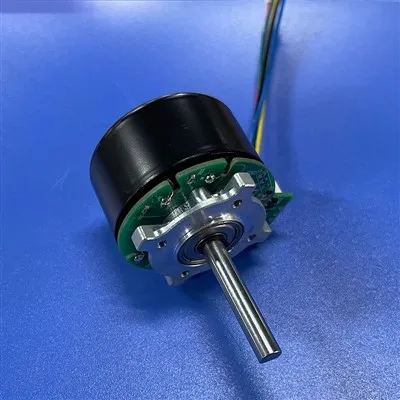
If you’re designing a personal care device and need a partner who knows rotor design inside and out to make sure your motor fits exactly what you need, reach out to us to chat about your project. We can tweak rotor specs, test prototypes, and make sure the motor works for your product before you even go into production. No generic parts, no hidden fees, just a motor that’s built for your specific use case.
Robot Brushless Motor References
- IEEE Transactions on Industry Applications. (2021). Design Optimization of Surface-Mounted vs. Internal Permanent Magnet Rotors for Low-Speed BLDC Motors in Consumer Electronics.
- Journal of Medical Devices. (2020). Waterproofing Considerations for Micro Brushless Motors in Personal Care and Medical Devices.
- Nidec Corporation Technical Report. (2019). Rotor Balancing Standards for Low-Noise Consumer Brushless Motors.
- International Electrotechnical Commission (IEC) 60335-2-52. (2022). Safety Standard for Personal Care Motorized Appliances: Requirements for Motor Rotor Materials.
- S. Chen, & L. Wang. (2018). Efficiency Analysis of Thin-Lamination Rotor Cores for Small BLDC Motors in Portable Devices.
Shenzhen HengDrive Technologies Co., Ltd.
Shenzhen HengDrive Technologies Co., Ltd. is one of the most professional personal care brushless motor manufacturers and suppliers in China, specialized in providing high quality customized service. We warmly welcome you to buy the newest personal care brushless motor in stock here from our factory.
Address: Building A & F, FuNing Hi-Tech Park, XinTian Road, FuHai Street, BaoAn District, ShenZhen, GuangDong Province, China.
E-mail: Marketing001@hengdrive.com
WebSite: https://www.hengdrivemotor.com/
