Plastic labels are a popular choice for various industries due to their durability, flexibility, and versatility in design. Embossing plastic labels can add a touch of elegance, raise the tactile appeal, and provide essential information in a way that stands out. As a plastic label supplier, I’ve had the privilege of working with many clients to create embossed labels that meet their specific needs. In this blog post, I’ll share some insights on how to emboss plastic labels effectively. Plastic Label

Understanding the Embossing Process
Embossing is a technique that involves creating a raised or recessed design on the surface of a material. In the context of plastic labels, embossing can be used to create a three – dimensional effect, making the label more visually appealing and tactile. There are two main types of embossing: blind embossing and foil stamping embossing.
Blind embossing creates a raised or recessed design without the use of any additional color or foil. It relies solely on the pressure applied to the plastic label to create the desired effect. This technique is often used when a subtle, sophisticated look is desired.
Foil stamping embossing, on the other hand, combines the embossing process with the application of a metallic or colored foil. The foil is applied to the raised or recessed area, adding a pop of color and a shiny finish. This technique is ideal for creating labels that need to make a bold statement.
Selecting the Right Plastic Material
The first step in embossing plastic labels is to select the right plastic material. Different plastics have different properties, and some are more suitable for embossing than others. Here are some common plastic materials used for embossed labels:
- Polyethylene Terephthalate (PET): PET is a popular choice for embossed labels due to its high clarity, excellent dimensional stability, and good resistance to chemicals and moisture. It can be easily embossed and is available in a variety of thicknesses.
- Polyvinyl Chloride (PVC): PVC is a versatile plastic that is known for its flexibility and durability. It can be embossed to create a wide range of textures and designs. However, PVC may not be suitable for all applications due to its environmental impact.
- Polypropylene (PP): PP is a lightweight and cost – effective plastic that is resistant to heat and chemicals. It can be embossed to create a soft, tactile feel. PP labels are often used in applications where flexibility is required.
When selecting a plastic material, consider factors such as the intended use of the label, the environment in which it will be used, and the desired embossing effect.
Designing the Embossed Pattern
Once you’ve selected the plastic material, the next step is to design the embossed pattern. The design should be carefully planned to ensure that it will look good when embossed. Here are some tips for designing an embossed pattern:
- Keep it simple: Complex designs may not emboss well, especially on thinner plastic materials. Stick to simple shapes and clean lines to ensure a clear and sharp embossing effect.
- Consider the size: The size of the design elements is important. Small details may not be visible after embossing, so make sure that all important elements are large enough to be seen.
- Test the design: Before embossing the entire batch of labels, it’s a good idea to test the design on a small sample of the plastic material. This will allow you to make any necessary adjustments to the design or the embossing process.
Preparing the Embossing Tooling
The embossing tooling is a crucial component of the embossing process. It is used to apply pressure to the plastic label and create the embossed pattern. The tooling can be made from a variety of materials, including steel, brass, and rubber.
- Steel tooling: Steel tooling is the most common type of tooling used for embossing plastic labels. It is durable, can withstand high pressure, and can produce sharp, detailed embossing results. Steel tooling is typically used for large – scale production runs.
- Brass tooling: Brass tooling is softer than steel and is often used for smaller production runs or for creating more delicate embossing effects.
- Rubber tooling: Rubber tooling is flexible and can be used to emboss labels with irregular surfaces or complex shapes. It is also a cost – effective option for short production runs.
When preparing the embossing tooling, make sure that it is properly engraved with the desired pattern and that it is the correct size and shape for the plastic label.
The Embossing Process
The actual embossing process involves several steps:
- Setting up the embossing machine: The embossing machine needs to be set up correctly to ensure a consistent and high – quality embossing result. This includes adjusting the pressure, temperature (if applicable), and the position of the tooling.
- Feeding the plastic label: The plastic label is fed into the embossing machine. It is important to ensure that the label is properly aligned to avoid any misalignment of the embossed pattern.
- Applying pressure: The embossing tooling is brought into contact with the plastic label, and pressure is applied. The amount of pressure required will depend on the type of plastic material, the thickness of the label, and the design of the embossed pattern.
- Releasing the label: After the pressure has been applied, the embossed label is released from the tooling. It is important to handle the embossed labels carefully to avoid damaging the embossed pattern.
Quality Control
Quality control is an essential part of the embossing process. After the labels have been embossed, they should be inspected for any defects, such as incomplete embossing, uneven pressure, or damage to the label. Here are some quality control measures that can be implemented:
- Visual inspection: The embossed labels should be visually inspected for any obvious defects. This can be done using a magnifying glass or a microscope to check for small details.
- Tactile inspection: The embossed labels should also be inspected using the sense of touch. The embossed pattern should be evenly raised or recessed, and there should be no rough edges or areas of uneven pressure.
- Adhesion testing (if applicable): If the embossed label is a sticker or a label with an adhesive backing, adhesion testing should be performed to ensure that the label adheres properly to the intended surface.
Finishing Touches
After the embossing process and quality control, some finishing touches may be applied to the embossed plastic labels. This can include adding a protective coating, such as a clear lacquer, to enhance the durability and resistance of the label. It can also involve cutting the labels to the desired shape and size.
Conclusion
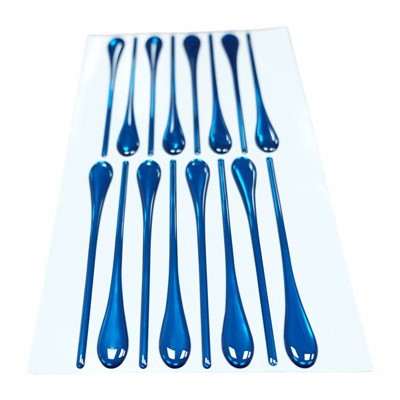
Embossing plastic labels is a process that requires careful planning, the right materials, and proper techniques. As a plastic label supplier, I understand the importance of creating high – quality embossed labels that meet the specific needs of our clients. Whether you need a subtle blind – embossed label or a bold foil – stamped embossed label, we have the expertise and the resources to help you achieve the desired result.
Aluminum Label If you’re interested in purchasing embossed plastic labels for your product or business, I encourage you to reach out to us. We can discuss your specific requirements, offer design suggestions, and provide you with a quote. Our team of experts is committed to providing excellent customer service and delivering top – notch embossed plastic labels. Let’s work together to create labels that make a lasting impression.
References
- "Plastic Materials and Their Properties" – A textbook on plastic materials.
- "Industrial Labeling Technologies" – A guidebook on different labeling techniques, including embossing.
- Industry – specific trade magazines that cover plastic label manufacturing and embossing processes.
Guizhou Mingguan Sign Nameplate Products Co., Ltd.
We’re well-known as one of the leading plastic label manufacturers and suppliers in China. With abundant experience, we warmly welcome you to wholesale bulk customized plastic label at low price from our factory. For quotation and free sample, contact us now.
Address: Xinpu New District, Zunyi City, Guizhou Province of China
E-mail: zhangyixuanmglabel@126.com
WebSite: https://www.mingguan-label.com/
