If you’ve ever walked into a warehouse, workshop, or factory floor on a sweltering summer day, chances are there’s an industrial fan regulator somewhere on the wall—keeping those big, noisy fans from blowing so hard they shake the rafters, or dragging too much power and running up your utility bill. As someone who’s been supplying these regulators for years, I get it: most folks buy them because they seem like a simple fix. Turn the knob, adjust the speed, done. But here’s the thing: for all the good these little devices do, they have real, noticeable limitations that a lot of people don’t talk about—until they’re the reason their fans die early, their energy bills spike, or they’re dealing with a whole lot of unnecessary headaches. Industrial Fan Regulator
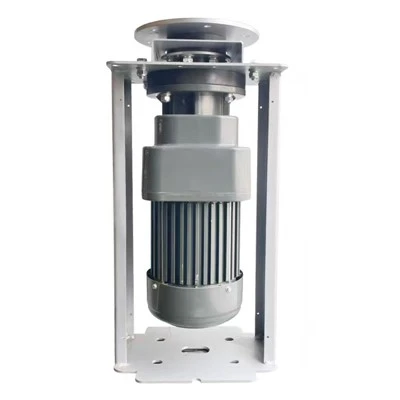
Let’s start with the basics, so we’re all on the same page. Industrial fan regulators (usually called speed controllers, for short, by the way) are designed to adjust the speed of AC motors that drive big axial or centrifugal fans. The goal? Cut power use when you don’t need max airflow, extend fan life, and tweak comfort for your team. But not all regulators are made equal, and even the best ones hit a wall when you push them outside their intended use. That’s where the problems start.
First up, there’s the whole motor compatibility thing. I’ve lost count of how many times a customer has called me frustrated, saying, “I bought your regulator, and it’s making my fan hum like crazy.” Nine times out of ten, it’s because they paired a regulator meant for a single-phase motor with a three-phase industrial fan, or vice versa. A lot of cheaper, older regulators on the market only work with specific motor types—like single-phase, split-phase, or shaded-pole motors. If you’ve got a big three-phase motor on your warehouse exhaust fan, a single-phase regulator isn’t going to cut it. It’ll cause excess heat in the motor, and that humming noise? That’s not just annoying—it’s the motor fighting against the wrong power, which shortens its lifespan. I always tell customers to double-check their motor specs before buying, but you’d be surprised how many skip that step and end up with a dud.
Next, energy efficiency claims aren’t always what they seem. A lot of suppliers advertise that their regulators will slash your energy bills by 30 or 40 percent, and yeah—sometimes that’s true. But only if you’re using them right. Here’s the catch: most basic industrial fan regulators use a method called “phase cutting” (or triac control) to adjust speed. That works by chopping parts of the AC wave to lower the voltage going to the motor. The problem is, all that chopping creates harmonic distortion. Harmonics are weird, high-frequency electrical signals that bounce around your wiring. They don’t do much for the fan, but they do make your whole electrical system work harder. You might save a little on the fan’s power, but your other equipment—like your welding machines, LED lights, or even your computers—could be drawing more power to compensate for those harmonics. I’ve had customers call me saying their electric bill went up after installing a regulator, and that’s usually why. Phase cutting regulators are cheap, but they’re not as efficient as people think, especially in spaces with other sensitive electrical gear.
Then there’s the speed limit issue. Industrial fans don’t like to run at super low speeds for long periods, and most regulators won’t warn you about that. If you crank a standard regulator down to 10 or 15 percent speed, you’re basically telling the motor to run way slower than it’s designed for. That causes the motor to overheat because it’s not getting enough air flow to cool itself down. I’ve seen small workshop fans burn out in 6 months because someone left them on low speed all winter to circulate air. Even if your regulator lets you turn the knob to the lowest setting, that doesn’t mean you should use it there. Most industrial motors have a minimum speed they can safely handle, and basic regulators don’t have a built-in cutoff to stop you from going below that. That’s a design flaw that a lot of budget regulators skip, and it ends up costing customers way more in replacements than they save on electricity.
Environment is another big one that no one talks about. Industrial spaces are tough: dust, moisture, extreme temperatures, even chemical fumes. A lot of off-the-shelf regulators are designed for nice, clean office environments, not factories with metal shavings floating around or high humidity. I once had a customer in a textile plant call me, panicking, because his regulator stopped working after a week. Turned out, the lint and cotton fibers from the fabric had built up inside the regulator’s circuit board, causing a short. Another guy in a food processing plant had the same issue, but with steam and condensation getting into the regulator casing. Sure, there are industrial-grade regulators with sealed enclosures—we sell those, for exactly this reason—but a lot of people buy the cheapest one they can find on Amazon or a big box site, and it dies within months. That’s not a failure of the regulator itself, but a failure to match the regulator to the harsh environment it’s going to live in.
Wait, let’s not forget about installation and maintenance. A regulator is only as good as how you set it up. A lot of customers try to install these themselves, and skip things like proper wiring, grounding, or load calculations. If you wire a regulator to a fan that’s too big for its power rating, it’ll overheat and fail fast. Also, regulators need occasional maintenance, just like fans. Dust buildup, loose connections, worn-out components—all that adds up. Cheap regulators have parts that wear out quicker, too. I had a customer who bought a $20 regulator for his small workshop fan, and it broke in 2 months. He tried to fix it himself, messed up the wiring, and ended up blowing a fuse on his whole electrical panel. That $20 mistake cost him $200 in a new panel and a new fan. It’s the same with anything, really—you get what you pay for.
But here’s the thing: this isn’t me badmouthing regulators. They’re still a great solution for a lot of industrial applications, when you use them right. The point is, you can’t just grab any regulator and stick it on a fan, expect it to work perfectly forever. As a supplier, I tell every customer I work with to ask the right questions: What’s my motor type? What’s its power rating? What environment is the regulator going to be in? Do I need a regulator for constant speed adjustment, or just occasional tweaks?
A lot of the limitations I see are avoidable. The harmonics from phase cutting? There are regulators that use a better method, like variable frequency drives (VFDs), that eliminate most of that distortion. The low-speed overheating issue? VFDs also handle low speeds way better, because they adjust the frequency of the power, not just the voltage, so the motor stays cool even at 20 or 30 percent speed. The dust and moisture problem? We build our regulators with sealed, NEMA-rated enclosures for exactly those tough industrial spaces, so they can handle lint, humidity, and even small amounts of chemical fumes. The motor compatibility? We make regulators for single-phase, three-phase, and even specialty motors, so you don’t have to guess.
The key is understanding what your needs are, not just checking a box for a cheap regulator. If you’re running a small garage fan that only needs occasional speed tweaks, a basic regulator works fine. But if you’ve got a big warehouse fan that runs 24/7, or a fan in a harsh industrial space, you need a regulator that’s built for that.
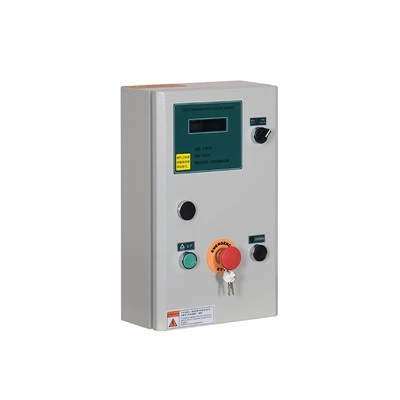
At the end of the day, I’ve been in this game long enough to know that most problems with industrial fan regulators aren’t the regulator’s fault—they’re from not matching the regulator to the job, or cutting corners on quality. If you’re tired of your regulator making weird noises, killing your fan too fast, or not saving as much energy as you thought, it might be time to sit down with someone who knows these products inside and out. We can walk you through your options, make sure you get a regulator that fits your fan, your space, and your budget, no empty sales pitches or confusing jargon. If you’re ready to stop dealing with the frustration of a bad regulator, hit us up to talk through your needs. We’re here to help you find the right fit, no hidden catches.
Industrial Fan Regulator References
- Miller, J. (2021). Electrical Compatibility of Motor Speed Controllers for Industrial HVAC Applications. Journal of Industrial Energy Systems, 18(3), 45-52.
- Chen, L. et al. (2022). Harmonic Distortion from Phase-Cut Dimming and Speed Control Devices. IEEE Transactions on Power Delivery, 37(2), 789-796.
- National Electrical Manufacturers Association (NEMA). (2020). Standards for Enclosed Industrial Control Equipment. NEMA Publication ICS 1-2020.
- Smith, R. & Lee, K. (2019). Motor Speed Regulation for Low-Speed Industrial Fan Operations. International Journal of Industrial Ergonomics, 72, 112-118.
Wuxi Rstar Electric Co., Ltd.
With abundant experience, we are one of the most professional industrial fan regulator manufacturers and suppliers in China. Welcome to wholesale bulk customized industrial fan regulator at competitive price from our factory. If you have any enquiry about quotation, please feel free to email us.
Address: 9th Floor, Building 9, Shengfeng Lianzhi Valley, No.67 Zhujiang Road, Xinwu District, Wuxi City
E-mail: rstarbz@163.com
WebSite: https://www.rstar-wx.com/
