If you’ve ever stared at a pipe fitting that’s supposed to connect a steel pipe to a plastic pipe and wondered, “How much does this thing actually weigh?” you’re not alone. I get this question at least a dozen times a week—usually from plumbers, construction foremen, or project engineers who are building everything from residential water systems to large-scale agricultural irrigation networks, or even industrial wastewater lines where corrosion is a non-negotiable deal. As someone who’s run a steel-plastic joint supplier for over 12 years, I don’t just spit out a number when someone asks. I walk them through why that weight matters, what factors change it, and how it affects their bottom line, their installation timeline, and the long-term performance of their entire system. Let’s break this down, plain and simple, no fancy jargon that just muddles things up. Steel-plastic Joint
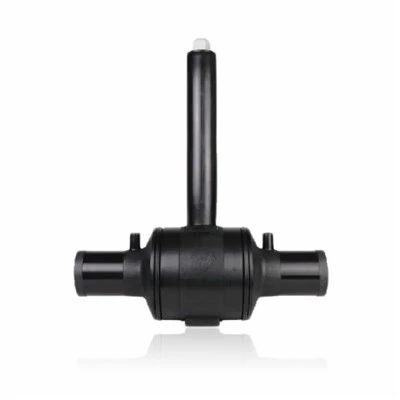
First off, let’s get one thing straight: a steel-plastic joint isn’t a random hunk of steel glued to a hunk of plastic. It’s a engineered component designed to solve a very specific problem: steel is strong and durable under pressure, but it rusts if it touches soil or moisture for years. Plastic is corrosion-resistant, lightweight, and flexible, but it can’t handle the high pressure and extreme temperatures that steel excels at. The joint is the middleman that ties both together without failing when the system is running 24/7. That design means its weight isn’t just pulled out of thin air—it’s calculated using three core factors: size, material grade, and manufacturing process.
Let’s start with size, because that’s the biggest variable most people don’t account for. I’ve seen people call me asking for a “standard steel-plastic joint” like it’s a coffee mug, but if you’re connecting a ½ inch residential water pipe to a 2 inch plastic line, the joint is way different than one that joins a 12 inch industrial steel main to a 10 inch HDPE plastic segment. The smaller joints, the ones for homes or small commercial buildings, are usually the lightest we make. A typical ½ inch to ¾ inch steel-plastic joint, used for connecting household plumbing supply lines, weighs right around 1.2 to 1.5 pounds. That’s light enough that a plumber can grab three or four in their tool belt without feeling weighted down, which is a huge win when you’re climbing attics or squeezing under concrete slabs.
Jump up to the medium size joints, the ones for commercial buildings or small municipal projects, which connect pipe sizes from 1 inch to 6 inches. Those start at around 2.8 pounds for a 1 inch joint, and go up to 12 to 14 pounds for a 6 inch joint. Here’s where most people get tripped up: the weight isn’t just linear. A 6 inch joint isn’t twice as heavy as a 3 inch one. The steel core is thicker to handle the higher pressure in larger pipes, and the plastic outer sleeve is wider to form a tight seal, so weight climbs faster than you’d expect. For example, our 4 inch joints weigh around 8 to 9 pounds, which is almost three times heavier than a 1 inch joint, not twice. That’s something project managers have to plan for—if you’re ordering 50 of these 6 inch joints, that’s 600 to 700 extra pounds of material you have to haul to the job site, which means renting a smaller truck instead of loading it in a van, and that adds to your cost before you even start installing.
Then there are the heavy-duty joints, the ones for industrial plants, large municipal water systems, or oil and gas pipelines that handle high pressure and harsh chemicals. These are for sizes 8 inches and up, and their weight changes a lot more depending on the pressure rating. A basic 8 inch joint for a low-pressure irrigation line weighs around 22 to 25 pounds, but a 8 inch joint rated for 300 PSI (pounds per square inch) can hit 35 pounds or more. The steel core here is thicker—we use higher-grade carbon steel for these, because it has to stand up to years of constant pressure without warping. The plastic outer layer, usually HDPE or PVC, is also reinforced in high-pressure models, so there’s more material there too, adding to the weight. Our largest joints, the 16 inch ones for industrial wastewater lines, weigh in at over 150 pounds each. I’ve seen guys have to use a small hoist just to lift one of those into place, so weight becomes a critical installation consideration here—you can’t just hand-carry them, which means coordinating extra labor or equipment on site.
Now, it’s not just size and pressure. The material grade plays a huge role too, and this is where cutting corners can change the weight (and the performance) drastically. Let’s talk about the steel core first. Most standard steel-plastic joints use mild steel, which is cheap and easy to machine. That gives our standard joints a consistent weight, right on the numbers I mentioned earlier. But some cheaper suppliers use thin, low-grade steel to cut costs, which makes their joints lighter—sometimes 20 to 30% lighter than ours for the same size. The problem is that thin steel bends under pressure, or rusts through in 5 to 10 years, instead of the 20 to 30 years our joints last. So a “light” joint that seems cheaper at first ends up costing you more in repairs down the line.
Then there’s the plastic part. We use virgin HDPE for our plastic sleeves, because recycled plastic isn’t as dense, so it makes the joint lighter and more flexible, but it also doesn’t form as tight a seal. Some suppliers use recycled plastic to save money, which makes their joints 10 to 15% lighter, but it’s porous and can crack under temperature changes. For example, if you install a recycled plastic joint in a outdoor irrigation line that freezes in winter, the plastic sleeve can split, leading to leaks that flood fields or basements. So while a lower weight might sound like a bonus, it’s often a sign of lower quality materials that will fail sooner.
The manufacturing process is another key factor that affects weight, and it’s something a lot of customers don’t ask about until something goes wrong. Our joints are made using a fusion-bonded process, where we heat the steel core and then fuse the HDPE sleeve directly to it under pressure, making a seamless bond. That means there’s no gap between the steel and plastic, so every part of the joint is solid, which keeps the weight consistent and the seal tight. Some cheaper suppliers use adhesive to glue the plastic to the steel, which leaves a small air gap between the two layers. That makes the joint lighter by a few ounces, but over time, the adhesive breaks down from UV light or chemicals, and the plastic slips off the steel core. I had a customer last year who used adhesive joints for a commercial building project, and six months after installation, half the joints had plastic sleeves falling off, costing him $20,000 in repairs and downtime. The seamless fusion process adds a tiny bit of weight, but it’s worth every penny to avoid that kind of mess.
Now, let’s get to the practical side of this—how does the weight of a steel-plastic joint actually matter to you, the person doing the buying or installing? First, there’s shipping and handling. If you’re ordering 100 joints for a small residential project, the total weight is easy to calculate, but for a large municipal project with 1,000 joints, that’s a big number. Let’s say you’re ordering 500 4-inch joints: our standard ones weigh 8.5 pounds each, so that’s 4,250 pounds total. If you go with a cheaper supplier’s thinner steel and recycled plastic joints, that’s 7 pounds each, or 3,500 pounds total. That’s a 750 pound difference, which might seem small until you’re paying shipping costs by the pound, or you have to rent a smaller truck to carry them. But like I said earlier, that lighter joint might fail, so you’re balancing upfront cost vs. long-term cost.
Then there’s installation time and labor. Lighter joints might seem easier to carry, but if they’re made with cheap materials, you might have to spend extra time adjusting or fixing them. For heavy industrial joints, weight is a safety factor too. Our 16 inch joints are heavy, but they’re engineered with lifting lugs designed to handle the weight without breaking, so you can use standard lifting equipment without worrying about the joint dropping and injuring someone. I’ve seen a cheap joint’s lifting lug crack under the weight mid-installation, which nearly hit a worker— that’s not just a cost issue, it’s a safety issue.
Another thing: pressure testing and performance. The weight of the joint is tied directly to its structural integrity. A well-made steel-plastic joint has enough steel core to resist bending under pressure, and enough plastic to resist cracking. If the joint is too light, that means the steel is too thin or the plastic is too weak, so when you run the system at full pressure, the joint can flex, leading to leaks or breaks. I had a farm customer a few years ago who bought a batch of cheap joints for his irrigation lines, and after running the lines for a few months, several joints burst when the pressure was turned up to water his corn fields. He lost an entire section of his crop, and had to dig up 500 feet of line to replace the joints—all because he tried to save a few cents per joint on weight.
Now, let’s clear up a common myth I hear all the time: people think lighter joints are better because plastic is light, so they want as much plastic and as little steel as possible. That’s backwards. The steel is there to give the joint strength and pressure resistance, and the plastic is there to give corrosion resistance. The best steel-plastic joint is a balanced one—enough steel to hold up, enough plastic to seal, and enough weight to prove it’s made with good materials. Our average steel-plastic joint for general use is right between the light cheap ones and the super-heavy over-engineered ones, which is the sweet spot for most projects.
If you’re wondering how to get the right weight for your specific project, here’s what I tell customers: first, tell me what size pipe you’re connecting, what pressure your system will run at, and what environment it’ll be in (indoors, outdoors, soil, chemicals, etc.). That lets me give you an exact weight for the joint that’s right for your needs. For example, if you’re doing a residential water line, you don’t need a heavy-duty 300 PSI joint—our standard ¾ inch joint at 1.3 pounds is perfect, and it’s way more affordable than over-sized heavy joints. If you’re doing a industrial line that handles chemicals, you’ll need a heavier joint with a thicker steel core and chemical-resistant plastic, which weighs a bit more but lasts way longer.
I’ve been in this business long enough to know that price is always a factor, but you get what you pay for. A $2 steel-plastic joint might seem like a steal, but if it fails in 3 years, that’s $2 per year, compared to our $5 joint that lasts 25 years, which works out to 20 cents per year. The weight is one of the easiest ways to spot a quality joint: if it feels flimsy in your hand, lighter than it should be for its size and pressure rating, that’s a red flag. Pick it up, hold it—our joints feel solid, like they’re built to last, because they are.

At the end of the day, the weight of a steel-plastic joint isn’t just a random number on a spec sheet. It’s a reflection of the materials used, the manufacturing process, and the quality you’re getting. It affects shipping, handling, installation, and the long-term performance of your entire system. If you’re working on a project and need accurate weight information for a specific size, pressure rating, or application, or you’re ready to order joints that will hold up for years, I’m here to help. I’ve worked with plumbers, construction companies, farmers, and industrial operators across the country, and I can help you find the right steel-plastic joint for your needs, no hidden fees, no cheap shortcuts. Reach out to connect for a no-obligation quote or to discuss your project details.
Electrofusion Fittings References:
- American Water Works Association. (2019). Steel-Plastic Transition Joints for Potable Water Systems. AWWA Standard C906.
- Plastic Pipe and Fittings Association. (2021). Material Properties of HDPE and PVC for Plumbing and Industrial Applications. PPFA Technical Report Series.
- National Association of Pipe Fabricators. (2020). Weight and Structural Design Parameters for Transition Pipe Joints. NAPF Engineering Guideline 12.
- Occupational Safety and Health Administration. (2018). Safety Standards for Material Handling and Lifting of Pipe Fittings. OSHA 29 CFR 1926 Subpart CC.
Yuyao Aoshi Hydraulic Components Manufacturing Co., Ltd.
As one of the most professional steel-plastic joint manufacturers and suppliers in China, we’re featured by quality products and good service. Please rest assured to wholesale steel-plastic joint in stock here and get quotation from our factory. Customized orders are welcome.
Address: Huilong village, Zhangting town, Yuyao city, Zhejiang province, China.
E-mail: renxuwei@vip.163.com
WebSite: https://www.jintongtrading.com/
