If you’ve ever stood on a pier at dawn, watching the tide roll in and out, you’ve probably spotted it too: the tangled plastic bag snagged on a piling, the handful of microplastic bits bobbing just below the surface, the thick mat of seaweed and floating debris that clogs the channel every rainy season. For most of us, that’s just part of the coast’s rough, ever-changing rhythm. For me, though, as a marine engineering metal mesh supplier, that mess is why I show up to the shop at 5 a.m. every day to grind wire and weld frames. I don’t just sell metal mesh— I build the tools that turn marine waste from a growing crisis into something manageable. Let me walk you through what that actually means, because you might be surprised how much difference a sturdy, precisely sized metal mesh makes when it comes to cleaning up our oceans. Marine Engineering Metal Mesh
First, it’s important to set the stage: marine waste treatment isn’t just about hauling big garbage off the beach. Most people picture giant nets skimming plastic off the top, but that’s only the tip of the iceberg (literally, sometimes). There are four main categories of marine waste we deal with, and each needs a different tool. There’s the macro waste—things like old fishing nets, plastic bottles, and shipping containers— that’s easy to spot but hard to corral. Then there’s microwaste: the tiny plastic beads from skincare, microfibers from clothes, and bits of broken-down plastic that are smaller than 5 millimeters. Those are the ones that end up in fish guts, coral polyps, and even the salt we put on our tables. Then there’s organic debris: seaweed, dead algae, and runoff from storm drains that clogs harbors and smothers seagrass beds. And finally, there’s sediment mixed with trash— the muck that builds up in marinas and shipping lanes, carrying everything from paint chips to chemical residue.
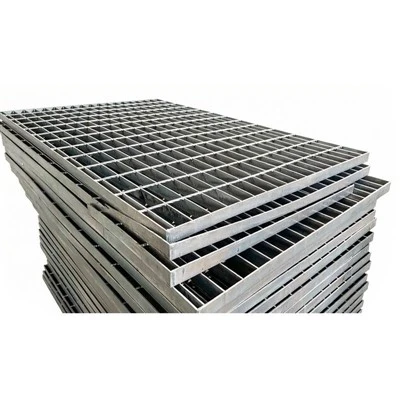
Metal mesh plays a critical role in every single one of these areas, but only when it’s engineered for the job. Cheap, thin mesh you can buy at a hardware store doesn’t last 10 minutes in saltwater. It rusts, it snags on rocks, it bends out of shape, and it doesn’t catch the right size of waste anyway. Our mesh is made from marine-grade stainless steel or galvanized steel, coated to resist corrosion, and woven with exact hole sizes tailored to the specific waste we’re targeting. That’s the difference between a tool that works and one that’s just another piece of trash in the ocean.
Let’s start with the most common use: capture and separation. When harbors or coastal cities need to filter out waste before it can get out to the open ocean, they rely on fixed mesh screens installed at the mouths of storm drains, treatment plant outfalls, and marina pump stations. A storm drain in a coastal city might let millions of gallons of water flow into the bay every time it rains. That water carries everything from grocery bags to cigarette butts to microplastics. If you put a mesh screen with 2-millimeter holes there, it catches all the stuff bigger than that— but lets the water flow right through, so you don’t get flooding. Last year, I worked with a city in the Pacific Northwest that installed these screens at 12 major storm drain outlets. Before that, they were pulling 40 tons of trash out of the bay every month using boats and nets. After the screens went in, that number dropped to less than 3 tons a month, because the waste never even made it out into the main waterway. The mesh is easy to clean— city crews just lift it out of the drain, shake it, and put it back, no heavy equipment needed. That’s the kind of efficiency only metal mesh can deliver; plastic nets would tear after a week in that kind of corrosive, debris-heavy environment.
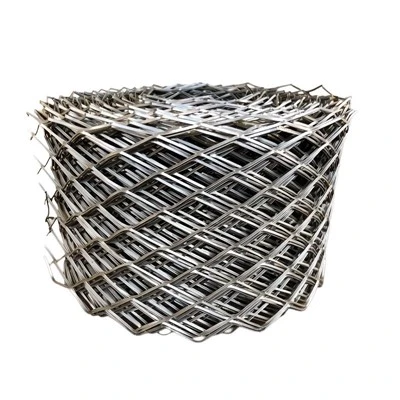
Then there’s the skimming and collection part, for waste that’s already floating. A lot of marine waste cleanup operations use skimmers that drag a fine mesh through the water to pull out floating plastic, seaweed, and oil residue. But here’s the thing: if the mesh is too fine, it gets clogged with algae in minutes, and you have to stop every few seconds to clean it. If it’s too coarse, it lets small plastic bits slip through. Our team works with cleanup groups to design mesh skimmers with variable hole sizes— 5 millimeters for macro plastic, 1 millimeter for microplastics, even down to 0.5 millimeters for super fine microfibers. I remember talking to a crew that was working the Gulf Coast after a hurricane a few years back. They were using cheap nylon nets for skimming, and they found that every time a piece of hurricane debris hit the net, it tore, and they’d have to repair it every hour. When they switched to our 316 stainless steel mesh, they only had to repair it twice in two weeks. It’s not that it never tears— nothing lasts forever in the ocean— but it’s strong enough to handle the kind of abuse cleanup crews deal with when they’re working in rough conditions.
Another big role for marine engineering metal mesh is in processing and sorting the waste once it’s been collected. When you pull hundreds of pounds of debris out of the ocean in one go, it’s a mix of everything: plastic, seaweed, metal cans, fishing line, even rocks. You can’t just haul it all to a landfill— you want to recycle the plastic, compost the organic seaweed, and safely dispose of any hazardous materials like paint or batteries. That’s where vibratory sorting screens come in, which are made almost entirely of metal mesh. The screens vibrate at a specific frequency, and the mesh holes separate the waste by size: big pieces of plastic go one way, medium pieces another, and tiny bits like microplastics fall through into a collection bin. A lot of recycling facilities that process ocean debris tell us that without our mesh screens, their sorting process would be 30% less efficient, and they’d have to send twice as much waste to landfills. That saves them money, and it keeps more usable material out of the waste stream.
We also work on something a little less talked about: habitat restoration. When we clean up coastal areas, we have to make sure we’re not making the problem worse. A lot of cleanup operations use heavy equipment to drag debris off the seabed, and that can damage coral reefs, seagrass beds, and shellfish habitats. We design special metal mesh baskets and frames that let us sift through sediment and pull out buried trash without disturbing the living organisms around them. The mesh is strong enough to lift heavy sediment and old fishing gear, but the holes are small enough that small clams, sea urchins, and young coral polyps stay inside the basket instead of being swept away. Last year, a marine biologist working on a seagrass restoration project in Florida told me that using our mesh sifters let them remove 90% of the buried trash in a 1-acre area without killing a single seagrass shoot. That’s a win no plastic tool could deliver.
But metal mesh isn’t perfect, and we don’t pretend it is. There are challenges, especially when it comes to balancing strength, hole size, and flow rate. If you make the mesh too fine, it clogs with algae and sediment almost immediately, which slows down the water flow and makes the tool useless. If you make it too strong, it’s heavy and expensive to ship. That’s why every mesh we make is custom, tailored to the specific job a customer is doing. We don’t sell one-size-fits-all mesh; we work with each client to figure out exactly what size waste they’re targeting, what kind of water conditions they’re working in, and how much they can afford to maintain the tool.
Another thing we’re working on is making the mesh more sustainable itself. Metal is recyclable, of course, but we’re now using 100% recycled stainless steel for all our mesh, and we offer a take-back program: when a customer is done with their mesh, they can send it back to us, and we melt it down to make new mesh. That cuts down on waste, and it means our tools aren’t adding to the problem they’re solving. We also design our mesh to be modular, so if a part of it gets torn or worn, you just replace that section instead of the whole thing. That saves customers money, and it reduces the amount of scrap metal we have to deal with.
I know there’s a lot of talk these days about “high-tech” solutions for marine waste: floating barriers made of plastic, AI-powered drones that spot trash, even ocean robots that vacuum the sea surface. Those tools have their place, but none of them work without metal mesh. Drones can spot a piece of trash, but you need a mesh screen to catch it. Robots can scoop up waste, but you need mesh to sort it. Floating barriers can corral debris, but you need mesh to keep the water flowing through so the barrier doesn’t get weighed down. Metal mesh is the unsung hero of marine waste treatment— it’s the foundation that all the flashier tools are built on.
I’ve been in this business for 15 years, and I’ve seen a lot of changes. When I started, most people thought marine waste was just a beach problem. Now we know it’s a global crisis that affects everything from fish populations to storm surge protection. But I’ve also seen progress: cities installing storm drain screens, cleanup groups using durable mesh skimmers, recycling facilities processing more ocean debris than ever before. A lot of that progress started with a conversation between a coastal manager and a metal mesh supplier, talking about what would work for their specific bay, their specific waste problem.
If you’re involved in marine waste treatment— whether you’re a city engineer, a cleanup crew leader, a recycling manager, or a marine biologist working on habitat restoration— chances are you’ve run into a problem that metal mesh can solve. Maybe your current screens are tearing too easily, or your skimmers are clogged every time you turn around, or your sorting process is too inefficient. Our team doesn’t just sell mesh; we offer custom solutions tailored to your needs, and we work with you every step of the way, from design to installation to maintenance.
We understand that this work isn’t just about making money. It’s about leaving the coast better than we found it for our kids and grandkids. That’s why we’re in this business, and that’s why we put so much care into every piece of metal mesh we make. If you’re tired of dealing with flimsy tools that don’t hold up in the harsh marine environment, if you want a solution that actually works, reach out. We’re here to help you build the tools you need to clean our oceans, one piece of mesh at a time.
Marine Engineering Metal Mesh References
- International Maritime Organization. (2022). Marine Plastic Waste and Its Impact on Coastal Ecosystems. London: IMO Publishing.
- National Oceanic and Atmospheric Administration. (2023). Storm Drain Inputs of Marine Debris to U.S. Coastal Waters. Silver Spring, MD: NOAA Marine Debris Program.
- Marine Conservation Society. (2021). The Role of Structural Materials in Coastal Marine Waste Management. Gloucester, U.K.: MCS Research Division.
- American Society of Mechanical Engineers. (2022). Engineering Solutions for Small-Scale Marine Waste Separation. New York: ASME Press.
- Florida Fish and Wildlife Conservation Commission. (2023). Seagrass Restoration Best Practices Using Sediment Sifting Tools. Tallahassee, FL: FWC Habitat Conservation Section.
Hengshui Anbang Road and Bridge Material Co., Ltd.
As one of the most professional marine engineering metal meshmanufacturers and suppliers in China, we’re featured by quality products and good service. Please rest assured to wholesale bulk customized marine engineering metal mesh from our factory. For pricelist, contact us now.
Address: Zhaobazhuang Wire Mesh Industrial Park, Shenzhou City, Hengshui City, Hebei Province
E-mail: 857732879@qq.com
WebSite: https://www.cnanbang.com/
