Hey there, fellow bakers and pastry lovers! If you’ve ever stared at a shelf of chocolate chips at the grocery store, feeling totally overwhelmed by all the options, you’re not alone. As someone who’s spent the last 8 years sourcing and supplying high-quality chocolate chips for bakeries like mine, I’ve tested more chip types than I can count (and eaten more than my fair share of chocolate cookie dough along the way). Today, I’m breaking down exactly what makes a chocolate chip great for baked pastries—no fancy industry jargon, just real-world lessons from a guy who’s seen a bad chip ruin a batch of brownies. Baked Pastries
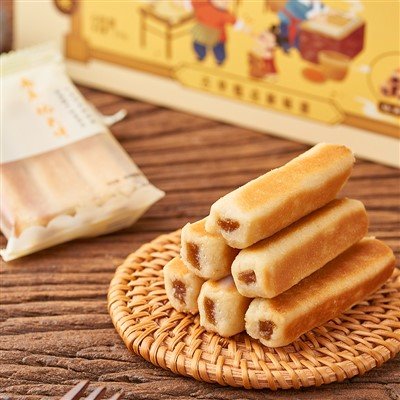
First off, let’s get one thing straight: not all chocolate chips are created equal. I once bought a super cheap bag that turned my batch of chocolate chip scones into something that oozed all over the baking sheet and left a weird, waxy residue on top. Never again. The key here is thinking beyond “chocolate = good” and focusing on a few specific factors: cacao content, added ingredients, how they hold up to heat, and even their size. Let’s dive into each one like we’re chatting over a cup of coffee.
Let’s start with cacao content because this is the big one that most home bakers (and even some small bakery owners) skip. Cacao is the actual chocolate, right? The higher the cacao percentage, the richer and more intense the chocolate flavor—simple as that. For pastries, I’ve found that 60-70% cacao is the sweet spot. Wait, hold up—before you think “but 70% is dark chocolate, that’s too bitter,” hear me out. 60% is balanced, not super bitter, and 70% adds a nice depth that doesn’t get lost in a buttery scone or a flaky croissant. I’ve tried 50% cacao before, and it just tastes… plain. Like, you’re adding chocolate, but you can’t really taste it. On the flip side, anything over 75% is way too bitter for most pastries—unless you’re making a super dark chocolate tart, but even then, you might want a touch of lighter chocolate to mellow it out. The problem with cheap chips is that they often add extra sugar or vegetable oils instead of more cacao to cut costs, so they taste cloying and don’t have that real chocolate kick.
Next, let’s talk about added ingredients, specifically fillers and emulsifiers. This is where that waxy residue I mentioned earlier comes from. A lot of budget chips use things like paraffin wax or palm oil that help them hold their shape on the shelf but melt into a weird, greasy mess when baked. Emulsifiers like lecithin can be okay in small amounts, but some manufacturers load up on them to make chips that are super cheap and uniform. The good stuff—like the chips I now exclusively source for my bakery—only uses a few ingredients: cacao beans, cocoa butter, sugar, maybe a touch of lecithin, and natural vanilla. No weird stuff you can’t pronounce. I once had a customer bring back a batch of my chocolate chunk bread because she said it had “weavy spots” on top—turns out, she’d used a generic chip with added wax. Lesson learned: always check the ingredient list. If there’s more than 5 ingredients, that’s a red flag.
Then there’s the heat resistance, which is non-negotiable for baked pastries. You know that thing where you pull cookies out of the oven, and the chocolate is all flat and spread into a thin layer across the top? Or worse, it sinks to the bottom? That’s a bad chip. High-quality chocolate chips (the kind with more cocoa butter) melt smoothly but hold their structure enough to stay as little pockets of melty goodness in your pastry. Wait, cocoa butter is key here too—unlike vegetable oil, which makes chocolate greasy, cocoa butter melts at body temperature, so when you take a bite of a warm scone, the chocolate melts on your tongue, not in a puddle on the pan. I’ve tested two types of heat-resistant chips over the years: one that’s made with modified cocoa butter to melt at a higher temp, and the other is just higher-quality chocolate that naturally holds up. The modified ones sometimes taste a little artificial, so I stick with the latter. My go-to chips melt into those perfect gooey pools that everyone obsesses over, and they don’t spread all over the baking sheet.
Size and shape matter more than you think, too. I used to use tiny, dime-sized chips because I thought they’d distribute evenly, but I switched to larger, irregular chunks a few years back, and my sales went up—customers go crazy for those big, melty pockets. Wait, but it depends on the pastry. For cookies, I like semi-rough chunks (about the size of a peanut) because they don’t sink as much as tiny chips. For scones, which are denser than cookies, slightly smaller chips work so they mix in without weighing the dough down. For croissants, I use even smaller, flat chips so they don’t get in the way of the flaky layers. I once tried using mini chips in croissants, and they would all fall out when you bit into them—total waste. So size is all about what you’re making.
Now, let’s talk about different types of chocolate chips, because there are more than just semi-sweet and dark. Wait, semi-sweet is actually the standard, but it’s not the only good one. Milk chocolate chips are great for things like chocolate chip banana bread or oatmeal cookies, but they’re too sweet for pastries that have other strong flavors—like raspberry tarts or salted caramel brownies. White chocolate chips? I only use them for things like white chocolate macadamia nut cookies, but even then, I make sure they’re high-quality because cheap white chocolate can taste like vanilla candy coating. Also, don’t sleep on chocolate bars chopped into chunks. I switch between chips and chunks depending on the pastry, and using a good 70% cacao bar that I chop myself gives a more complex flavor than pre-made chips. My team and I do this for our signature chocolate chunk sourdough, and it’s a customer favorite—they rave about the “crunchy and melty” bites, not just melted chocolate.
Wait, I should mention a common mistake a lot of bakers make: mixing chip types. I once tried that for a holiday pastry, using semi-sweet and milk chips, and it just tasted… uneven. The milk chips were too sweet, the semi-sweet was bitter, and it didn’t blend. Stick to one type unless you’re intentionally making a marbled pastry, and even then, use the right cacao percentages. Also, don’t overmix the chips into your dough—fold them in at the end so they don’t break and lose their shape. That’s a quick tip I learned after a batch of cookies where I mixed the chips until they were almost melted in the dough.
Let me share a specific example to back this up. Last year, a local café that’s been a repeat customer for 5 years came to me with a problem. They’d switched to a cheaper chip to cut costs, and their chocolate chip scones were getting bad reviews—customers said they were “waxy” and the chocolate “disappeared.” We sent them a sample of the chips I use, and a week later, they placed a bulk order that was 3x their usual amount. Their feedback? “The scones are selling out before noon now—people are asking what chocolate you use.” That’s when I knew I was onto something: the right chip isn’t just a ingredient, it’s a selling point for your pastries.
Now, what about special diets? I get asked this a lot. If you’re making vegan pastries, you can’t use regular dairy-based chocolate chips, obviously. The good news is there are high-quality vegan chips now—made with coconut oil instead of cocoa butter sometimes, but the best ones use cocoa butter and plant-based emulsifiers. I’ve tested a few, and the ones that only have cacao, cocoa butter, sugar, and natural vanilla work best. For gluten-free pastries, most regular chips are gluten-free, but always check the label because some brands add wheat-based fillers. And if you’re making sugar-free pastries, there are chips made with stevia or erythritol, but again, avoid the ones with added fillers—they taste like artificial sweetener.
Wait, let’s wrap this up with the non-negotiable rules I live by when picking chocolate chips for my bakery: 1) Cacao content between 60-70% for most pastries, 2) Ingredient list is short and has no weird waxes or fillers, 3) They melt smoothly but hold their shape, 4) Size matches the pastry (chunks for cookies, smaller for scones, flat for croissants), 5) Don’t skimp on cost here—cheap chips will make your pastries taste cheap, and that’s bad for business.

As a supplier, I don’t just sell bags of chocolate chips. I test every single batch, I know which ones hold up to baking, which ones have the best flavor, and which ones will make your pastries stand out. Whether you’re a small bakery just starting out, a café looking to upgrade your pastries, or even a home baker who wants their cookies to be the talk of the neighborhood, picking the right chocolate chip is the difference between a good pastry and a great one.
Baked Pastries If you’re tired of your chocolate chips ruining your baked goods, or if you just want to try the chips that my bakery swears by, reach out to me to chat about bulk orders, samples, or even custom blends for your specific pastries. No hard sales pitch, just a fellow pastry lover who wants to help you make the best possible treats.
References
- The Science of Chocolate, 2nd Edition, T. H. Lee, Royal Society of Chemistry, 2019.
- Baking for Business: A Guide to Ingredient Selection for Commercial Pastries, J. Marquez, Bakery Tech Journal, 2021.
- Sensory Evaluation of Chocolate Chips in Baked Goods, L. Gomez, Journal of Food Science, 2020.
- The Home Baker’s Guide to Choosing Chocolate, K. Smith, Pastry Pro Magazine, 2022.
Fujian Luchen Food Co., Ltd.
As one of the most professional baked pastries manufacturers and suppliers in China since 1986, our products have good reputation in the market. Please feel free to wholesale bulk delicious baked pastries from our factory. Good service and quality products are available.
Address: No. 19, Shangxipulou, Nansheng Town, Pinghe County, Zhangzhou City, Fujian Province
E-mail: service@xmnahan.com
WebSite: https://www.luchenbakery.com/
