In the dynamic world of jewelry design and manufacturing, 3D scanners have emerged as invaluable tools, revolutionizing the way artisans, designers, and manufacturers conceptualize, create, and reproduce jewelry pieces. As a reputable supplier of Jewelry 3D Scanners, I often encounter a pivotal question from potential clients: "Does a Jewelry 3D Scanner require special training to use?" This blog post aims to delve deep into this query, exploring the intricacies of Jewelry 3D Scanners, the necessity of special training, and how it can impact your jewelry – making endeavors. Jewelry 3D Scanner

Understanding Jewelry 3D Scanners
Before we address the training aspect, it’s crucial to understand what a Jewelry 3D Scanner is and how it functions. A Jewelry 3D Scanner is a high – precision device designed to capture the physical shape, dimensions, and surface details of jewelry pieces in three – dimensional space. It works by emitting light, laser, or structured light patterns onto the jewelry item and measuring the reflection or deformation of these patterns to create a digital 3D model.
These scanners come in various types, including desktop scanners for small – scale operations and handheld scanners for greater flexibility in scanning larger or complex pieces. They offer a myriad of benefits to the jewelry industry, such as accurate replication of antique pieces, efficient creation of digital prototypes, and the ability to customize designs according to client preferences.
Can You Use a Jewelry 3D Scanner Without Special Training?
The short answer is yes, to some extent. Many modern Jewelry 3D Scanners are engineered with user – friendly interfaces, intuitive software, and automated features that allow individuals with minimal technical knowledge to perform basic scans. For instance, some scanners come with one – click scanning options, where you simply place the jewelry item on the scanning platform, press a button, and let the scanner do its job.
These scanners often have pre – set parameters optimized for common jewelry materials and shapes, enabling users to obtain decent results without delving into the technical details. Additionally, some manufacturers provide detailed user manuals and video tutorials that guide users through the scanning process step by step.
However, while it is possible to use a Jewelry 3D Scanner without special training for simple tasks, there are limitations. Basic operation may not yield accurate results in complex scenarios, such as scanning highly detailed, irregularly shaped, or transparent jewelry pieces. Moreover, issues like scanning artifacts, inaccurate measurements, and incomplete models may arise, which could impede the subsequent design and manufacturing processes.
The Benefits of Special Training
On the other hand, special training for using a Jewelry 3D Scanner offers a multitude of advantages that can significantly enhance your scanning experience and the quality of your results.
Accuracy and Precision
One of the primary benefits of training is the ability to achieve higher levels of accuracy and precision in scanning. Trained users understand how to adjust scanner settings such as resolution, exposure time, and scanning angle to match the specific characteristics of the jewelry piece. This means that even the most intricate details, such as micro – pavé settings or delicate filigree work, can be captured with exceptional fidelity.
Handling Complex Jewelry Pieces
Special training equips users with the skills needed to handle complex jewelry pieces effectively. For example, transparent gemstones or jewelry with reflective surfaces can pose challenges during scanning due to light interference. Trained operators know techniques like using anti – reflective coatings, adjusting lighting conditions, or applying advanced scanning algorithms to overcome these issues and obtain clear, accurate 3D models.
Software Proficiency
Most Jewelry 3D Scanners come with accompanying software that allows for post – processing of scanned models, such as editing, merging, and exporting in different file formats. Special training provides in – depth knowledge of this software, enabling users to manipulate the 3D models to meet their specific design requirements. This may include creating custom modifications, adding textures, or preparing the models for 3D printing.
Troubleshooting
In the event of technical issues or errors during scanning, trained users are better equipped to troubleshoot and resolve problems quickly. They can identify the root cause of issues such as incomplete scans, distorted models, or software glitches and take appropriate corrective actions, minimizing downtime and ensuring a smooth workflow.
Types of Special Training
There are several ways to obtain special training for using a Jewelry 3D Scanner.
Manufacturer – Provided Training
Many Jewelry 3D Scanner manufacturers offer training programs as part of their product offerings. These programs are often tailored to their specific scanners and software, providing hands – on experience with the equipment. Manufacturer – provided training can be conducted either on – site at your facility or at the manufacturer’s training center. It typically covers topics such as scanner operation, software usage, calibration, and maintenance.
Online Courses
Online courses are another popular option for obtaining training. These courses are available from a variety of educational platforms and may be self – paced or instructor – led. Online courses often include video tutorials, practice exercises, and assignments to help users learn at their own convenience. They can be a cost – effective and flexible way to gain the necessary skills, especially for those who cannot attend in – person training.
Vocational Training Institutes
Vocational training institutes may also offer courses in Jewelry 3D scanning as part of their jewelry design or manufacturing programs. These courses provide a comprehensive curriculum that covers not only scanner operation but also related aspects of jewelry design and technology. Students can benefit from a structured learning environment and access to industry – standard equipment.
Impact on Jewelry Business
Investing in special training for using a Jewelry 3D Scanner can have a profound impact on your jewelry business.
Improved Product Quality
The higher accuracy and precision achieved through trained scanning translate into better – quality jewelry products. Whether you are creating custom – designed pieces, replicating antique items, or mass – producing models, the ability to capture detailed 3D models ensures that the final products meet or exceed customer expectations. This can enhance your brand reputation and lead to increased customer satisfaction and loyalty.
Increased Efficiency
Trained operators can complete scanning tasks more efficiently than untrained users. They are able to set up the scanner quickly, optimize scanning parameters for different jewelry pieces, and troubleshoot issues on the fly. This results in reduced scanning time, faster turnaround for projects, and increased productivity, allowing you to take on more orders and grow your business.
Competitive Advantage
In today’s competitive jewelry market, having access to trained professionals who can use Jewelry 3D Scanners effectively can give your business a significant edge. You can offer faster, more accurate design and manufacturing services, which may attract discerning customers who value quality and innovation. Additionally, trained staff can explore new design possibilities and techniques, enabling you to stay ahead of the curve in terms of product development.
Conclusion
In conclusion, while it is possible to use a Jewelry 3D Scanner without special training for basic tasks, investing in specialized training offers numerous benefits that can significantly enhance the quality of your work and the efficiency of your operations. The accuracy, precision, and problem – solving skills gained through training can lead to improved product quality, increased productivity, and a competitive advantage in the jewelry market.
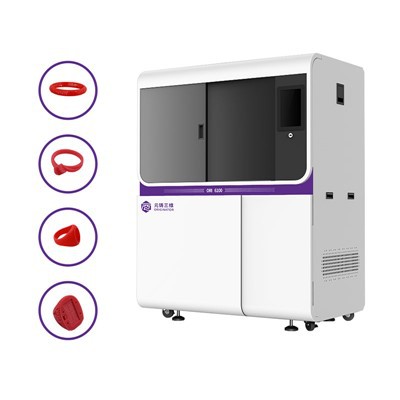
Wax 3D Printer If you are considering purchasing a Jewelry 3D Scanner for your business, I encourage you to explore the training options available. As a trusted supplier of Jewelry 3D Scanners, we are committed to providing our customers with the support they need to make the most of our products. Whether you are a small – scale jeweler or a large – scale manufacturing company, our team can help you find the right scanner and training solution for your specific needs. Don’t hesitate to reach out to us to discuss your requirements and start your journey towards revolutionizing your jewelry – making process.
References
- "3D Scanning for Jewelry Design: A Comprehensive Guide", Industry Insights Journal, 2022.
- Jewelry Manufacturing Technology Handbook, published by TechPress, 2021.
- "Enhancing Jewelry Design with 3D Scanning Technology", Jewelry Designer Magazine, 2023.
Hangzhou Originator 3D Technology Co., Ltd.
Hangzhou Originator 3D Technology Co., Ltd. is one of the most experienced jewelry 3d scanner manufacturers and suppliers in China. With abundant experience, we warmly welcome you to wholesale high quality jewelry 3d scanner made in China here from our factory. Contact us for more details.
Address: Room 403, Building 2, Block B, Heda Incubation Park,No. 452, 6th Avenue, Xiasha, Qiantang District,Hangzhou, Zhejiang, China
E-mail: Sales@originator3d.com
WebSite: https://www.originator3d.com/
