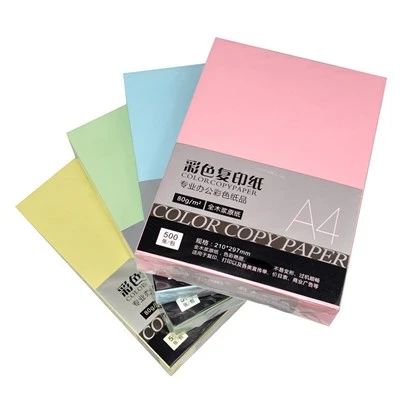
In the ever – evolving landscape of the paper industry, specialty paper stands out as a remarkable product with a wide range of unique properties. One of the most compelling and increasingly important aspects of specialty paper is its antimicrobial resistance properties. As a specialty paper supplier, I’ve witnessed firsthand the growing demand for paper products that can resist the growth of harmful microorganisms, and I’m excited to share more about this fascinating topic. Specialty Paper
Understanding Antimicrobial Resistance
Antimicrobial resistance refers to the ability of a material to inhibit or prevent the growth of microorganisms such as bacteria, fungi, and viruses. In the context of specialty paper, this property can be crucial for various applications. Microorganisms can cause a multitude of issues, from spoilage of products to the spread of diseases. Traditional paper, unfortunately, can be a breeding ground for these microbes, especially in environments where moisture and organic matter are present.
However, specialty paper has the potential to break this cycle. Through advanced manufacturing processes and the incorporation of specific additives, it can be engineered to possess robust antimicrobial properties. This not only extends the lifespan of the paper – based products but also enhances their safety and hygiene.
Mechanisms of Antimicrobial Resistance in Specialty Paper
There are several ways in which specialty paper can achieve antimicrobial resistance.
Incorporation of Antimicrobial Agents
One of the most common methods is to incorporate antimicrobial agents directly into the paper during the manufacturing process. These agents can be inorganic compounds such as silver nanoparticles, zinc oxide, or copper ions. Silver nanoparticles, for example, have been widely studied for their potent antimicrobial activity. They work by disrupting the cell membranes of microorganisms, interfering with their metabolic processes, and ultimately preventing their growth and reproduction.
Copper ions, on the other hand, can cause oxidative stress in bacteria and fungi, leading to the destruction of their cellular components. When these antimicrobial agents are evenly distributed throughout the paper fibers, they create a protective barrier that inhibits the growth of microbes on the paper surface.
Surface Coatings
Another approach is to apply antimicrobial surface coatings to the specialty paper. These coatings can be formulated with polymers and antimicrobial substances. For instance, some coatings may contain quaternary ammonium compounds (QACs). QACs are positively charged molecules that can interact with the negatively charged cell membranes of bacteria and fungi, causing leakage of cellular contents and eventually cell death.
Surface coatings provide an additional layer of protection on top of the paper. They can be tailored to specific requirements, such as providing long – lasting antimicrobial activity or being resistant to abrasion and moisture, depending on the intended application of the specialty paper.
Applications of Antimicrobial Specialty Paper
The antimicrobial resistance properties of specialty paper open up a wide range of applications across different industries.
Food Packaging
In the food industry, maintaining the safety and freshness of products is of utmost importance. Antimicrobial specialty paper can be used as packaging material for various food items. For example, it can be used to wrap meat, dairy products, and bakery items. By inhibiting the growth of spoilage – causing bacteria and fungi, the paper helps to extend the shelf life of the food, reducing waste and ensuring that consumers receive high – quality products.
Additionally, in the case of ready – to – eat foods, the use of antimicrobial paper can prevent the growth of pathogenic bacteria such as Salmonella and Listeria, enhancing food safety. This is particularly important in the current global context, where foodborne illnesses are a significant concern.
Healthcare
In the healthcare sector, antimicrobial specialty paper has numerous applications. It can be used in the production of medical packaging, such as sterile pouches for surgical instruments and medical devices. The antimicrobial properties of the paper help to maintain the sterility of these items during storage and transportation, reducing the risk of infection.
Moreover, specialty paper with antimicrobial properties can be used for disposable medical products, like examination sheets and face masks. These products come into direct contact with patients and healthcare providers, and the ability to resist the growth of microorganisms can significantly contribute to preventing the spread of diseases within healthcare facilities.
Hygiene Products
In the realm of personal and public hygiene, antimicrobial specialty paper is also highly beneficial. It can be used in the manufacturing of tissues, wipes, and paper towels. These products are often used in restrooms, kitchens, and other high – traffic areas where the risk of germ transmission is high. By incorporating antimicrobial properties into these paper products, we can effectively reduce the spread of germs and promote a cleaner and healthier environment.
Advantages of Using Antimicrobial Specialty Paper
Enhanced Safety
The primary advantage of using antimicrobial specialty paper is the enhanced safety it provides. In applications such as food packaging and healthcare, reducing the presence of harmful microorganisms is critical for protecting public health. By using paper with antimicrobial properties, we can minimize the risk of infections and illnesses associated with microbial contamination.
Extended Shelf Life
For products such as food and pharmaceuticals, the extended shelf life offered by antimicrobial specialty paper is a significant advantage. Manufacturers can reduce product waste and save costs by ensuring that their products remain fresh and viable for longer periods. This is also beneficial for consumers, as they can enjoy products that are of higher quality and have a longer usable life.
Environmental Sustainability
Compared to some alternative materials that may require harsh chemicals for disinfection, specialty paper can be a more environmentally friendly option. Many of the antimicrobial agents used in specialty paper are biodegradable or can be recycled along with the paper itself. This aligns with the growing consumer and industry demand for sustainable packaging and paper products.
Challenges and Future Directions
While antimicrobial specialty paper offers many benefits, there are also some challenges that need to be addressed. One of the main challenges is the cost of production. The incorporation of antimicrobial agents and the development of advanced manufacturing processes can increase the cost of specialty paper. This may limit its widespread adoption, especially in price – sensitive markets.
Another challenge is ensuring the long – term effectiveness of the antimicrobial properties. Over time, factors such as exposure to moisture, light, and mechanical stress can reduce the efficacy of the antimicrobial agents in the paper. Further research is needed to develop more stable and durable antimicrobial systems.
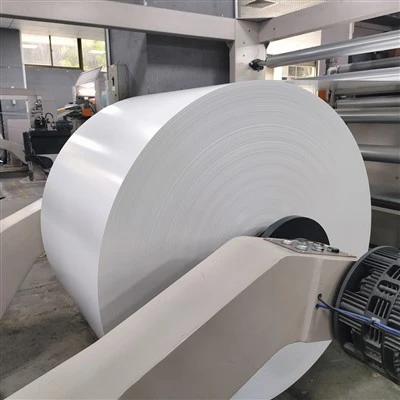
Looking to the future, there is great potential for the development of more advanced and sustainable antimicrobial specialty paper. Researchers are exploring new antimicrobial agents, such as natural plant extracts and bio – based polymers, which could offer comparable or even better performance than traditional agents while reducing the environmental impact.
Contact for Purchase and Collaboration
C1s Ivory Board If you are interested in learning more about our antimicrobial specialty paper or are considering incorporating it into your products, I invite you to reach out to us for further discussions. Our team of experts is ready to provide in – depth information on the product specifications, applications, and pricing. We can also work with you to develop customized solutions tailored to your specific needs. Whether you are in the food, healthcare, or hygiene industry, our antimicrobial specialty paper can offer reliable and innovative solutions to enhance the safety and quality of your products.
References
- [1] Rai, M., Yadav, A., & Gade, A. (2009). Silver nanoparticles as a new generation of antimicrobials. Biotechnology advances, 27(1), 76 – 83.
- [2] Morones, J. R., Elechiguerra, J. L., Camacho, A., Holt, K., Kouri, J. B., Ramirez, J. T., & Yacaman, M. J. (2005). The bactericidal effect of silver nanoparticles. Nanotechnology, 16(10), 2346 – 2353.
- [3] Tiller, J. C., Liao, C. J., Lewis, K., & Klibanov, A. M. (2001). Designing surfaces that kill bacteria on contact. Proceedings of the National Academy of Sciences, 98(22), 12546 – 12551.
- [4] Quintavalla, S., & Vicini, L. (2002). Antimicrobial food packaging in meat industry. Meat Science, 62(4), 373 – 380.
Dongguan Banyan Material Co., Ltd.
We are one of the most experienced specialty paper manufacturers and suppliers in China, also support customized service. Please feel free to wholesale bulk eco-friendly specialty paper from our factory. Quality products and reasonable price are available.
Address: NO.167, Meijing West Road, Songmushan, Dalang Town, Dongguan City, Guangdong Province, China
E-mail: Sales_chris@yspaper.com
WebSite: https://www.paperyoung.com/
