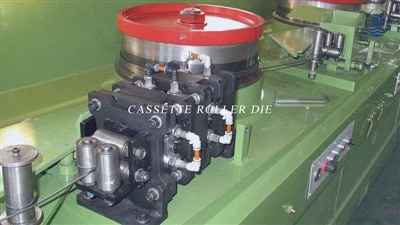
Hey there! I’m a supplier of other auxiliary equipment, and today I wanna chat about the storage conditions for spare parts of this stuff. It’s super important to get the storage right, ’cause it can really affect the quality and lifespan of those spare parts. Other Auxiliary Equipment
General Considerations
First off, let’s talk about the location. You gotta pick a place that’s clean and dry. Moisture is a big no – no. It can cause rust and corrosion on metal parts, and mold or mildew on other materials. So, a warehouse with good humidity control is ideal. You can use dehumidifiers if the area is naturally humid.
The temperature also plays a huge role. Extreme temperatures, whether it’s too hot or too cold, can mess up the spare parts. For most of the auxiliary equipment spare parts, a temperature range between 10°C and 30°C (50°F and 86°F) is pretty good. If you’re in a place where the temperature can go outside of this range, you might need to install climate – control systems.
Specific Storage for Different Materials
Metal Parts
Metal spare parts are pretty common in our auxiliary equipment. As I mentioned, moisture is their enemy. You should store them in sealed containers or use anti – rust coatings. If you’ve got small metal parts, like screws and bolts, you can keep them in plastic bags with desiccants. These little packets help absorb any moisture that might get in there.
When it comes to larger metal components, make sure they’re stored on racks or pallets off the ground. This prevents them from sitting in any pooled water that might collect on the floor. And don’t stack them too high, or they might get damaged under the weight.
Plastic Parts
Plastic parts are a bit more sensitive to sunlight and heat. Prolonged exposure to direct sunlight can cause them to become brittle and crack. So, store plastic spare parts in a shaded area, away from windows or any strong light sources.
Also, be careful with the chemicals around plastic parts. Some cleaning agents or solvents can react with the plastic and damage it. If you need to clean plastic parts before storage, use a mild soap and water solution and dry them thoroughly.
Rubber Parts
Rubber parts are prone to degradation over time. They can lose their elasticity if not stored properly. Keep them away from sharp objects that could puncture or cut them. And just like plastic, heat and sunlight are bad news for rubber.
You can store rubber parts in a cool, dark place. It’s a good idea to wrap them in a protective material, like a plastic sheet. This helps prevent oxidation and keeps them flexible for longer.
Electrical Components
Electrical spare parts are super sensitive. Static electricity can damage them, so you need to ground the storage area. You can use antistatic mats and containers for storing these components.
Moisture is also a big problem for electrical parts. It can cause short – circuits and corrosion. You can use moisture – proof bags and desiccants to keep them dry. And make sure the area is well – ventilated to prevent the build – up of any fumes that could harm the components.
Organization and Maintenance
Now, let’s talk about how to organize the storage of these spare parts. A well – organized storage system makes it easier to find what you need when you need it. You can use a inventory management system, either digital or manual. Mark each storage container with the part name, number, and any other relevant information.
Regular maintenance of the storage area is also crucial. Check for any signs of damage, like leaks, pests, or structural issues. You should also do periodic inspections of the spare parts themselves. Look for any signs of wear and tear, corrosion, or other problems. If you find any damaged parts, it’s better to replace them or repair them before they cause bigger issues.
Safety Precautions
Safety should always be a top priority when storing spare parts. Make sure there are clear aisles and pathways in the storage area. This prevents accidents like tripping and falling.
If you’re using heavy equipment to move the parts, like forklifts, make sure the operators are properly trained. And don’t overload the storage racks. Follow the weight limits specified by the manufacturer.
Cost – Efficiency
Storing spare parts can be costly, especially if you’re storing a large quantity. So, it’s important to find a balance between having enough spares on hand and not over – stocking. Analyze your usage patterns and lead times from your suppliers. This way, you can optimize your inventory and reduce storage costs.
Another cost – saving tip is to recycle or reuse parts when possible. If a part is damaged but can be repaired relatively easily, it might be worth fixing it instead of buying a new one.
Conclusion
So, that’s a rundown of the storage conditions for spare parts of other auxiliary equipment. Getting the storage right is all about protecting the quality of the parts, making them easy to access, and keeping your costs in check.
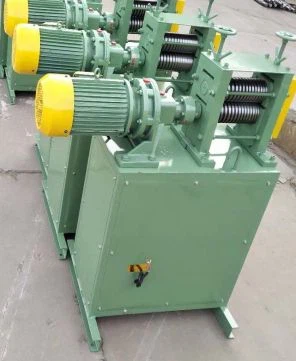
Other Auxiliary Equipment If you’re in the market for high – quality other auxiliary equipment and need reliable spare parts, I’d love to chat with you. Whether you’ve got questions about storage or you’re ready to place an order, feel free to reach out and start a conversation. We can work together to find the best solutions for your needs.
References
- "Handbook of Industrial Storage and Warehousing"
- "Maintenance and Spare Parts Management for Equipment"
Three Water Machinery Co., Ltd.
Three Water Machinery Co., Ltd. is one of the most reliable manufacturers and suppliers of auxiliary equipment in China. With abundant experience, we warmly welcome you to buy advanced equipment for sale here and get quotation from our factory. Contact us for more details.
Address: No.15, Jiaye Road, Liuanzhuang Industrial Park, Beichen District, Tianjin, China
E-mail: sales@eqet.com
WebSite: https://www.eqet.com/
