Inspecting a used brake wheel cylinder before installation is a crucial process that ensures safety and optimal performance of the braking system. As a brake wheel cylinder supplier, I understand the significance of this step and have witnessed firsthand the consequences of neglecting it. In this blog post, I will share my insights on the process of inspecting a used brake wheel cylinder before installation, drawing from my years of experience in the industry. Brake Wheel Cylinder
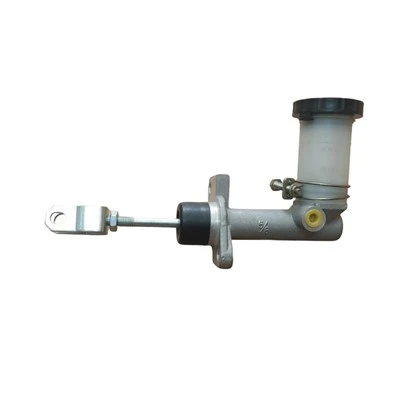
Step 1: Visual Inspection
The first step in inspecting a used brake wheel cylinder is a thorough visual examination. This involves looking for any signs of damage, corrosion, or wear on the exterior of the cylinder. Start by checking the cylinder body for cracks, dents, or other physical deformities. These can compromise the structural integrity of the cylinder and lead to leaks or other issues.
Next, examine the piston and the rubber seals. The piston should be smooth and free of scratches or scoring. Any damage to the piston can cause it to stick or not move smoothly, which can affect the braking performance. The rubber seals should be in good condition, without any signs of cracking, tearing, or swelling. Damaged seals can allow brake fluid to leak out, reducing the effectiveness of the brakes.
Also, check the mounting holes and the threads on the cylinder. They should be clean and free of debris, and the threads should be in good condition. Damaged mounting holes or threads can make it difficult to install the cylinder properly, leading to leaks or other problems.
Step 2: Measuring the Bore Diameter
After the visual inspection, the next step is to measure the bore diameter of the cylinder. The bore diameter is a critical dimension that determines the fit of the piston and the overall performance of the cylinder. To measure the bore diameter, you will need a micrometer or a bore gauge.
Measure the bore diameter at several points along the length of the cylinder to ensure that it is within the specified tolerance range. If the bore diameter is out of tolerance, it can cause the piston to fit too loosely or too tightly, which can lead to leaks or reduced braking performance. In some cases, a cylinder with an out-of-tolerance bore diameter may need to be re-bored or replaced.
Step 3: Checking for Leaks
Leakage is a common problem with used brake wheel cylinders, and it can have serious consequences for the braking system. To check for leaks, you can perform a pressure test on the cylinder. This involves applying compressed air to the cylinder and checking for any signs of air leakage or brake fluid leakage.
To perform the pressure test, you will need a brake wheel cylinder pressure tester. Connect the tester to the cylinder and apply pressure according to the manufacturer’s instructions. Watch for any bubbles or signs of leakage around the seals, ports, or other areas of the cylinder. If you detect any leaks, the cylinder will need to be repaired or replaced.
Step 4: Testing the Piston Movement
The piston in a brake wheel cylinder needs to move smoothly and freely to ensure proper braking performance. To test the piston movement, you can gently push and pull on the piston with your fingers or use a small tool to move it. The piston should move easily and without any resistance.
If the piston sticks or does not move smoothly, it could be due to a variety of factors, such as dirt, debris, or corrosion inside the cylinder. In this case, you may need to clean the cylinder and the piston or replace the seals.
Step 5: Cleaning and Lubricating
Once you have completed the inspection and any necessary repairs or replacements, it is important to clean and lubricate the cylinder before installation. Cleaning the cylinder removes any dirt, debris, or old brake fluid that could cause problems. You can use a brake cleaner or a mild detergent to clean the cylinder and the piston.
After cleaning, dry the cylinder thoroughly and apply a thin layer of brake cylinder lubricant to the piston and the seals. The lubricant helps to protect the seals and ensure smooth movement of the piston.
Step 6: Installation and Final Checks
Finally, it is time to install the brake wheel cylinder. Make sure to follow the manufacturer’s instructions carefully and use the correct torque specifications when tightening the mounting bolts. After installation, check the brake lines and connections for any signs of leaks.
Bleed the brake system to remove any air bubbles that may have entered the system during the installation process. This is an important step that ensures proper braking performance. Once the bleeding process is complete, test the brakes to make sure they are working properly.
Why It Matters
Inspecting a used brake wheel cylinder before installation is not just a matter of following best practices; it is a matter of safety. A faulty brake wheel cylinder can compromise the entire braking system, putting the driver and passengers at risk. By taking the time to inspect and test the cylinder, you can ensure that you are providing your customers with a reliable and safe product.

As a brake wheel cylinder supplier, I am committed to providing high-quality products and ensuring the satisfaction of my customers. I understand the importance of proper inspection and maintenance, and I encourage all my customers to take the necessary steps to ensure the safety and performance of their braking systems.
Contact for Purchase and Discussion
Clutch Slave Cylinder If you are in the market for brake wheel cylinders or have any questions about the inspection process, I invite you to contact me. I am happy to provide you with more information, answer your questions, and discuss your specific needs. Whether you are a professional mechanic or a DIY enthusiast, I can help you find the right brake wheel cylinders for your applications.
References
- "Brake Systems Manual" by the Automotive Service Excellence (ASE)
- Various technical bulletins and product manuals from brake wheel cylinder manufacturers.
- My personal experience and knowledge gained from years of working in the brake wheel cylinder supply industry.
Ruian Xinyao Automobile Parts Co., Ltd.
With abundant experience, we are one of the most professional brake wheel cylinder manufacturers and suppliers in China. We warmly welcome you to wholesale bulk advanced brake wheel cylinder from our factory. If you have any enquiry about cooperation, please feel free to email us.
Address: Xialin Industrial Zone, Tangxia Town, Ruian City,Wenzhou City,Zhejiang Province,China
E-mail: 18969725686@163.com
WebSite: https://www.raxinyao.com/
