Hey there! I’m a supplier of Cationic Polyacrylamide, and I’m super stoked to chat with you about its role in the production of adhesives. In this blog, I’ll break down how this nifty chemical compound can make a real difference in the adhesive game. Cationic Polyacrylamide
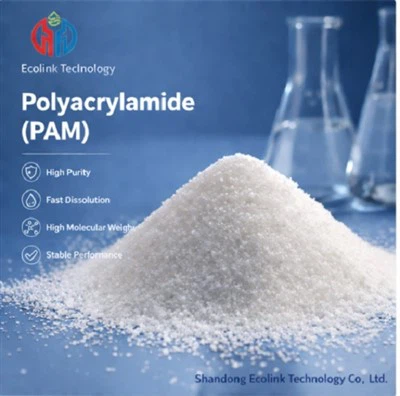
First off, let’s get to know Cationic Polyacrylamide a bit. It’s a water – soluble polymer with a positive charge. This positive charge gives it some pretty unique properties that come in really handy when it comes to making adhesives.
One of the key things in adhesive production is getting the right viscosity. Viscosity is basically how thick or thin a liquid is. If an adhesive is too thin, it won’t stick well; if it’s too thick, it’ll be hard to apply. Cationic Polyacrylamide helps to adjust the viscosity of adhesives. When you add it to the adhesive formulation, it can increase the solution’s viscosity in a controlled way. This is important because it allows the adhesive to spread evenly on the surfaces that need to be bonded. For example, in the production of paper adhesives, having the right viscosity ensures that the paper layers are stuck together firmly without any splotches or uneven bonding.
Another important aspect is the hydration ability of Cationic Polyacrylamide. It can absorb water molecules quite effectively. In adhesive production, this is crucial because it helps in the formation of a stable adhesive matrix. When the adhesive dries, the Cationic Polyacrylamide forms a kind of network structure that holds the different components of the adhesive together. This network also helps in maintaining the integrity of the bond between the surfaces. In wood adhesives, for instance, this stable matrix formed by Cationic Polyacrylamide can withstand changes in temperature and humidity, ensuring that the wood joints remain strong over time.
Cationic Polyacrylamide also has excellent flocculation properties. In the context of adhesive production, this means that it can cause fine particles in the adhesive mixture to clump together. This is useful in removing impurities from the adhesive. When you’re making adhesives, you want to have a clean and pure product. The flocculation process helps in separating out any unwanted particles, making the adhesive more stable and of higher quality. For example, in the production of textile adhesives, removing impurities is important to ensure that the fabric isn’t stained or damaged by the adhesive.
In addition to these physical properties, Cationic Polyacrylamide can also interact chemically with other components in the adhesive formulation. It can react with anionic polymers or charged particles in the mixture. This chemical interaction can enhance the bonding strength of the adhesive. By forming chemical bonds with other substances, it creates a more durable and robust adhesive. In the production of construction adhesives used for bonding tiles or stones, this enhanced bonding strength is essential to ensure that the materials stay in place for a long time, even under heavy loads.
Now, let’s talk about the different types of adhesives where Cationic Polyacrylamide shines.
In the packaging industry, adhesives are used to seal cartons, bags, and other packaging materials. Cationic Polyacrylamide can improve the sealing performance of these adhesives. It helps the adhesive to bond quickly and firmly to the packaging materials, preventing them from opening during transit. This is crucial for maintaining the integrity of the products inside the packages.
In the bookbinding industry, adhesives are used to bind the pages of books together. Cationic Polyacrylamide can make the adhesive more flexible and less brittle. This is important because it allows the book to be opened and closed without the adhesive cracking or the pages coming loose. It also helps in giving the book a more professional and long – lasting finish.
In the automotive industry, adhesives are used for various purposes such as bonding interior trim parts, attaching gaskets, and even in some structural applications. Cationic Polyacrylamide can improve the heat resistance and durability of these adhesives. In a car, the interior can get quite hot, especially in the summer. An adhesive with good heat resistance will ensure that the parts stay bonded together even under high temperatures.
When it comes to using Cationic Polyacrylamide in adhesive production, there are a few things to keep in mind. The dosage is really important. You don’t want to add too much or too little. If you add too much, it can make the adhesive too thick and difficult to work with. If you add too little, it won’t have the desired effect on the viscosity, flocculation, or bonding strength. It usually takes a bit of trial and error to find the right dosage for a specific adhesive formulation.
The storage and handling of Cationic Polyacrylamide also matter. It should be stored in a dry and cool place to prevent it from degrading. When handling it, you need to follow proper safety procedures. Although it’s generally a safe chemical, it can cause irritation if it comes into contact with the skin or eyes, so wearing protective gear is a must.
As a supplier of Cationic Polyacrylamide, I’ve seen firsthand how it can transform the quality of adhesives. I’ve worked with many customers in different industries, and the feedback has always been positive. Whether you’re a small – scale adhesive manufacturer or a large industrial producer, Cationic Polyacrylamide can be a game – changer for your products.
If you’re in the adhesive production business and are looking to improve the quality of your adhesives, I’d highly recommend giving Cationic Polyacrylamide a try. It’s an affordable and effective way to enhance the performance of your adhesives. And if you have any questions about how to use it, or what dosage is right for your specific formulation, I’m here to help.

So, if you’re interested in learning more about Cationic Polyacrylamide and how it can be used in your adhesive production, or if you’re ready to place an order, don’t hesitate to reach out. Let’s have a chat and see how we can work together to take your adhesive products to the next level.
Cationic Polyacrylamide References:
- "Polymer Science and Technology" by N. P. Cheremisinoff
- "Adhesive Bonding: Science, Technology, and Applications" by Alan V. Pocius
- Journals on polymer chemistry and adhesive technology from local research institutions.
Shandong Ecolink Technology Co., Ltd.
Shandong Ecolink Technology Co., Ltd. is one of the most reliable cationic polyacrylamide manufacturers and suppliers in China. We warmly welcome you to wholesale bulk high quality cationic polyacrylamide from our factory. If you have any enquiry about cooperation, please feel free to email us.
Address: No. 8, Xiaying Chemical Industry Park, Aobu Road, Xiaying Town, Changyi City, Weifang City, Shandong Province,China
E-mail: sale02@ecolink-environment.com
WebSite: https://www.ecolink-environment.com/
