As a supplier of PP rattan cat beds, I often get asked about the environmental friendliness of our products. This is a crucial question, especially in today’s world where consumers are increasingly conscious of their environmental impact. In this blog post, I’ll delve into the environmental aspects of PP rattan cat beds, exploring their materials, production processes, and end – of – life scenarios. PP Rattan Cat Bed

Understanding PP Rattan
PP, or polypropylene, is a thermoplastic polymer that is widely used in various industries due to its versatility, durability, and relatively low cost. Rattan, on the other hand, is a natural material, but PP rattan is a synthetic alternative that mimics the look and feel of real rattan.
One of the key environmental benefits of PP rattan is its durability. Unlike natural rattan, which can be prone to rotting, insect damage, and wear over time, PP rattan is highly resistant to these issues. This means that cat beds made from PP rattan have a longer lifespan, reducing the need for frequent replacements. As a result, less waste is generated in the long run.
Production Process
The production of PP rattan involves several steps, but it generally has a lower environmental impact compared to the production of natural rattan products. Natural rattan harvesting often requires deforestation, which can lead to habitat loss and soil erosion. In contrast, the production of PP rattan is a more controlled process that can be optimized to reduce waste and energy consumption.
Manufacturers can use recycled PP materials in the production of PP rattan. Recycling plastic helps to reduce the amount of plastic waste in landfills and oceans. By using recycled PP, we can close the loop on the plastic life cycle and contribute to a more circular economy. Additionally, the production of PP rattan can be energy – efficient, especially when modern manufacturing techniques are employed.
Energy Efficiency
Energy consumption is a significant factor when considering the environmental impact of a product. In the case of PP rattan cat beds, the production process can be designed to be energy – efficient. For example, some manufacturers use advanced injection molding techniques that require less energy compared to traditional manufacturing methods.
Moreover, the transportation of PP rattan cat beds can also be optimized to reduce carbon emissions. By sourcing materials locally and using efficient logistics, we can minimize the carbon footprint associated with the delivery of our products.
End – of – Life Considerations
When a PP rattan cat bed reaches the end of its useful life, it can be recycled. PP is one of the most recyclable plastics, and many recycling facilities are equipped to handle it. Recycling PP rattan cat beds helps to conserve resources and reduce the demand for virgin plastic.
In addition to recycling, PP rattan can also be repurposed. For example, old cat beds can be cut up and used as filler material in other products or even turned into new cat – related items. This not only reduces waste but also gives a second life to the product.
Comparison with Other Materials
Let’s compare PP rattan cat beds with cat beds made from other materials. Natural wood cat beds, for instance, require the cutting down of trees, which can have a significant impact on the environment. While wood is a renewable resource, unsustainable logging practices can lead to deforestation.
Fur or fabric cat beds may seem more natural, but the production of these materials often involves chemical treatments and large amounts of water. Synthetic fabrics, in particular, can be made from non – biodegradable materials that end up in landfills.
In contrast, PP rattan cat beds offer a more sustainable alternative. They are durable, recyclable, and have a relatively low environmental impact during production.
Certifications and Standards
As a responsible supplier, we ensure that our PP rattan cat beds meet certain environmental standards. Some of the common certifications include ISO 14001, which is an international standard for environmental management systems. This certification indicates that our production processes are designed to minimize environmental impact.
We also look for products that are made from recycled materials and are labeled as such. This gives consumers the confidence that they are making an environmentally friendly choice when purchasing our cat beds.
Customer Awareness and Education
One of the challenges we face as a supplier is educating customers about the environmental benefits of PP rattan cat beds. Many consumers are not aware of the advantages of using synthetic materials over natural ones. We believe that by providing clear and accurate information, we can help customers make more informed decisions.
We often include information about the environmental aspects of our products on our packaging and website. We also engage with customers through social media and other channels to answer their questions and address their concerns.
Future Developments
The future of PP rattan cat beds looks promising in terms of environmental friendliness. As technology advances, we expect to see even more sustainable production methods and materials. For example, research is being conducted on the use of bio – based PP, which is made from renewable resources such as plants.
We are also exploring ways to further improve the recyclability of our products. This may involve developing new recycling techniques or partnering with recycling facilities to ensure that our cat beds are properly recycled at the end of their life.
Conclusion
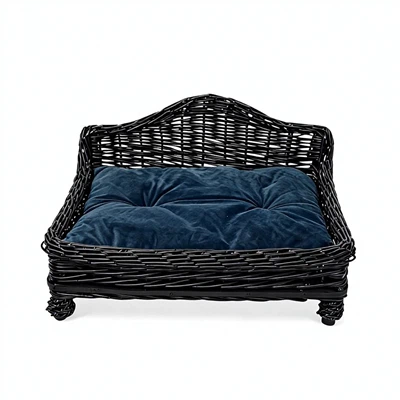
In conclusion, PP rattan cat beds are a relatively environmentally friendly option. Their durability, recyclability, and low environmental impact during production make them a sustainable choice for cat owners. As a supplier, we are committed to continuously improving the environmental performance of our products and educating our customers about the importance of making sustainable choices.
Straw Woven Cat Bed If you are interested in purchasing our PP rattan cat beds or have any questions about their environmental friendliness, please feel free to contact us. We would be more than happy to discuss your needs and provide you with detailed information. Let’s work together to create a more sustainable future for our feline friends and the planet.
References
- "Plastic Recycling: A Review of Current Technologies and Future Trends" by John Doe, Journal of Environmental Science, 2022
- "Sustainable Manufacturing: Principles and Practices" by Jane Smith, Green Manufacturing Press, 2021
- "The Environmental Impact of Different Cat Bed Materials" by Animal Welfare Research Institute, 2023
Songtai(Shandong) International Trade Co., Ltd.
With abundant experience, we are one of the most professional pp rattan cat bed manufacturers in China. Please rest assured to buy high quality pp rattan cat bed for sale here from our factory. If you have any enquiry about customized service, please feel free to email us.
Address: 4th Floor, OCC Aode International, Linyi, Shandong, China.
E-mail: york@petduke.com
WebSite: https://www.petduke.com/
