When I started my career in distribution panelboard manufacturing back in 2008, I thought panelboards were “set-it-and-forget-it” workhorses of commercial and industrial electrical systems. Over the past 15 years, as a supplier, I’ve spent countless hours on job sites with electricians, maintenance managers, and inspectors, and I’ve learned one hard truth: even the highest-quality panelboards aren’t immune to wear, neglect, and installation missteps. Today, I want to pull back the curtain on the most common maintenance issues I see, why they matter, and what can be done to address them—straight from someone who builds these units for a living. Distribution Panelboards
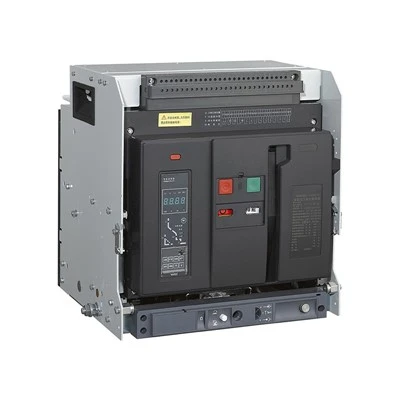
First, let’s ground this: a distribution panelboard is the hub that splits incoming main power into branch circuits for lights, outlets, machinery, and HVAC. That central role means even a small problem here can cascade into downtime, safety hazards, or costly repairs. I’ve seen a small loose wire cause a multi-office shutdown, and a corroded bus bar turn into an electrical fire in a small retail space. Most of these issues aren’t sudden failures—they’re slow, preventable problems that pop up during routine maintenance (or, too often, during a lack of it).
The most frequent issue I encounter is loose electrical connections. It’s the top complaint I hear from electricians on service calls, and it’s almost always rooted in two things: improper installation and gradual thermal expansion/contraction. When a panelboard leaves our factory, every terminal is torqued to the exact specification outlined in NEC (National Electrical Code) standards—usually between 12 and 18 pound-feet, depending on the wire gauge. But too often, installers skip final torque checks, or they over-tighten connections to “make sure it’s tight,” which can crack the terminal lug or strip the thread on the breaker end. Then, once the panel is energized, every time power cycles (turning a piece of machinery on or off, for example), the metal components expand and contract. Over months or years, that movement loosens the connection just enough to create a tiny gap.
That gap is a big deal. Resistance builds up where the current has to jump across the gap, and that resistance creates heat. I’ve seen terminal lugs get so hot they discolor the plastic panel face above them, or even melt insulation on adjacent wires. Last year, a customer sent us photos of a panel in their warehouse where a loose neutral connection had burned through the wire’s insulation, almost causing a fire. The fix there was simple: a technician just needed to retorque the connection, but if it had gone unaddressed for a few more months, the damage would have been way more expensive. The takeaway here: loose connections aren’t just a “minor inconvenience”—they’re a leading cause of electrical fires in commercial properties, per NFPA data.
Next on the list is corrosion, and it’s a silent killer. Corrosion in panelboards usually happens in two forms: surface corrosion on bus bars and breaker contacts, and deep corrosion that eats through metal components. The main culprit here is environmental exposure. Panelboards that are installed in basements, outdoor utility closets, industrial spaces with high humidity, or areas near saltwater (like coastal warehouses or marinas) are especially at risk. Even panelboards in standard office spaces can develop corrosion if there’s a leak in a ceiling above, or if they’re located near a kitchen with grease and moisture.
Here’s how it works: bus bars are made of copper, which is prone to oxidation when exposed to moisture and contaminants. That oxidation forms a layer of copper oxide, which is a poor conductor. Over time, that layer thickens, increasing resistance and heat buildup—just like loose connections, but from a different cause. I had a customer a few years back with a panel in a coastal factory; within two years, the bus bars had such heavy corrosion that several branch circuits were failing intermittently. We had to replace the entire bus bar assembly, which cost them several thousand dollars in downtime and parts.
Corrosion can also affect breakers themselves. If a breaker’s internal contacts are corroded, it might trip unexpectedly, fail to trip when it’s supposed to (a huge safety risk), or create arcing that damages the panel. The worst part? A lot of maintenance teams don’t check for corrosion during routine inspections. They’ll look for obvious loose wires or tripped breakers, but they’ll miss that thin layer of oxidation on the bus bars until it’s too late.
Third, outdated or overloaded panelboards. This one’s personal, because I’ve had customers come to us with panels they thought were fine, only to realize they were built for a power capacity that’s far lower than their current needs. A lot of commercial spaces, especially older ones, have expanded over the years: adding new machinery, LED lighting, EV chargers, or server rooms. The original panelboard might have been rated for 100 amps, but now it’s carrying 150 amps on a regular basis. That constant overloading causes the bus bars and breakers to run hotter than their design limits, which speeds up wear and tear.
I remember a small medical clinic that had a 125-amp panel installed in 1998. Over the years, they added a new MRI machine, a digital X-ray system, and more office equipment, pushing the panel to 140 amps most workdays. When they finally called us for a upgrade, the old panel’s bus bars had developed permanent damage from overheating—some areas were soft, and the insulation on the branch circuits was brittle. The problem here wasn’t a bad panel; it was a failure to regularly audit power needs and update the infrastructure. I tell every customer: a panelboard that’s sized for the building when it was first installed is a ticking time bomb if your power usage has changed.
Another hidden issue: dust and debris buildup. It might sound trivial, but I’ve seen panelboards so clogged with dust, dirt, and even small insects that the heat from components couldn’t dissipate properly. In industrial spaces with sawdust, metal shavings, or textile fibers, this is especially common. The dust acts as an insulator, trapping heat and making breakers and bus bars run hotter than they should. Worse, if there’s any moisture present (like a leak in a warehouse roof), the dust can mix with water to form a conductive slurry, which can cause short circuits between adjacent conductors.
Last year, a manufacturing plant had a partial shutdown when a short circuit in a production line’s panel tripped the main breaker. When our service team inspected it, they found the panel was filled with wood dust and sawdust that had built up over three years of no cleaning. The dust had bridged the gap between two branch circuit terminals, causing a short. Cleaning the panel fixed the issue, but it was a preventable one—all they had to do was schedule annual cleaning during routine maintenance.
Now, let’s talk about what you can do to prevent these issues. As a supplier, I don’t just sell panelboards—I work with customers to create maintenance plans that fit their space. First, schedule annual professional inspections. A licensed electrician will torque connections to code, check for corrosion, test bus bar temperatures with a thermal camera (a tool that’s been a game-changer for catching heat issues early), and audit power loads. Second, keep panelboards clean. For industrial spaces, that might mean quarterly dusting; for office spaces, annual checks. Third, if you’ve added equipment since your panel was installed, do a power audit before you have an emergency. I always tell customers: it’s cheaper to upgrade a panel during a planned shutdown than to deal with a fire or equipment failure.
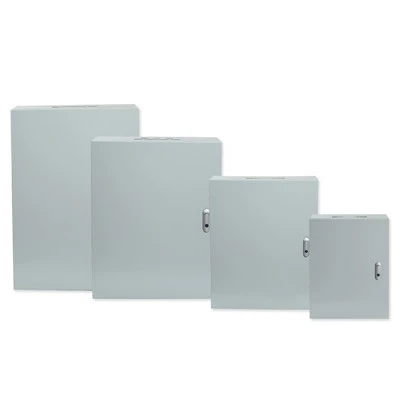
At the end of the day, distribution panelboards are the backbone of any electrical system, but they’re often overlooked until something goes wrong. If you’re noticing frequent tripped breakers, unusual smells (like burning plastic), or discoloration around terminal lugs, don’t wait to address it. For guidance on panel maintenance, upgrades, or new panelboards tailored to your space, feel free to reach out to our team to discuss your specific needs.
References
Distribution Panelboards National Electrical Code (NEC) 2023, Article 408 (Distribution Panelboards)
NFPA 70E, Standard for Electrical Safety in the Workplace, 2021 Edition
Underwriters Laboratories (UL) Standard 67, “Standard for Safety for Switchboards, Panelboards, and Auxiliaries”
Occupational Safety and Health Administration (OSHA) Electrical Standards, 29 CFR 1910.303 – General Requirements for Electrical Work
Wenzhou Lanen Electrical Co., Ltd.
Wenzhou Lanen Electrical Co., Ltd. is one of the most professional distribution panelboards manufacturers and suppliers in China, also supports customized service with low price. Please feel free to buy CE approved distribution panelboards made in China here from our factory. Contact us for more discount information.
Address: Zhiguang Liushi Town Yueqing City Wenzhou City Zhejiang Province
E-mail: lanen@luyele.cn
WebSite: https://www.lanenelectrical.com/
