As a reach-in refrigerator supplier, I know way too many people who get frustrated when their fridge isn’t keeping things cold enough, or worse, freezing stuff they don’t mean to. I’ve had chefs, café owners, even home baristas call me at 2 a.m. panicking because their greens are wilting, or their craft beer’s too warm to serve. The crazy thing? Most of the time, the issue isn’t a broken fridge—it’s just a bad temp setting. Adjusting a reach-in doesn’t have to feel like rocket science, and once you nail it, you’ll save yourself so much hassle (and money on spoiled food). Let me break this down like we’re chatting over a coffee, no fancy jargon, just real stuff I’ve picked up from fixing hundreds of these units over the years. Reach-in Refrigerator
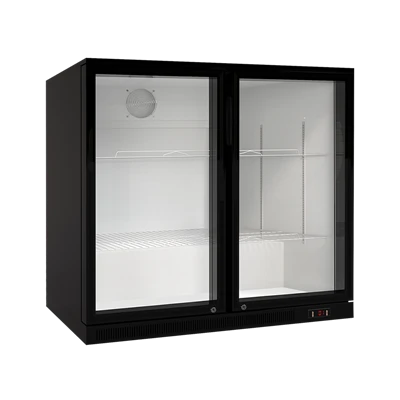
First, let’s get one thing straight: not all reach-ins are the same. A commercial walk-in adjacent unit is different from a residential fridge (duh), and even two brands of reach-ins might have totally different control knobs. Most folks skip the manual, which is half the problem. I always tell new clients: grab the thin, folded manual that came with your fridge (it’s probably tucked in the back of the control panel, not the junk drawer) and flip to the temperature section. That’s your cheat sheet—ignore what your buddy says about “turning it to 3 for coldest” if your unit’s manual says 5 is the sweet spot. But if you lost it (no judgment, I’ve been there), here’s the general playbook that works for 90% of standard reach-ins.
First step: before you even touch the dial, do a quick “prep check” that people sleep on. If your fridge is stuffed so full you can barely close the door, air can’t circulate, and the temp reading won’t be accurate. I once had a café owner tell me their reach-in was set to “max cold” but their milk was going bad in 2 days—turns out they had 5 cases of soda stacked right on the air vents, so the cold air couldn’t reach the milk crates. Tidy up: pull back any boxes or produce blocking the top back wall (that’s where most vents are), leave a tiny gap between items so air flows. Also, check the door seal—run a dollar bill along the edge when it’s closed; if it pulls out easy, air’s leaking out, so your fridge’s working way harder than it needs to. Fix that first, because adjusting the temp won’t matter if cold air’s escaping every time you open the door.
Now, let’s talk about the control. Most reach-ins have either a dial (old school, easy to mess up) or a digital display (newer, more precise). If it’s a dial, stop turning it to 10. That’s for defrost cycles, not regular use. For digital, the biggest mistake I see is people panicking if the display says 42°F and their food needs to be 38°F—they crank it up immediately. Wait, because digital controls can take 2-4 hours to adjust, especially if the fridge was at a warmer temp for a while. Don’t make tiny tweaks every 10 minutes—you’ll end up overcompensating. Let it sit for a full work shift before checking again.
Here’s the non-negotiable temp range, straight from food safety guidelines (I’ve worked with health inspectors, so this is non-negotiable): for commercial reach-ins holding perishables (meat, dairy, produce), the sweet spot is 34°F to 38°F. If it’s below 32, your lettuce will turn to mush, your soda will freeze, and who wants a frozen soda? If it’s above 40, bacteria starts growing fast—health inspectors will flag that, and you’re throwing out half your stock. For things like craft beer or cold brew that don’t need to be super cold, you can nudge it up to 40°F, but never higher.
Let’s walk through a real example I dealt with last month: a food truck owner with a 2-door reach-in, his chicken was spoiling in 24 hours. He’d set it to the coldest dial, like he thought more cold = fresher. I checked the temp with a meat thermometer (pro tip: don’t use the fridge’s internal display, it’s often off by 3-5 degrees) and it was sitting at 30°F. That’s why his lettuce was freezing too. I turned the dial to 3 (it was a brand that uses 1-5, 3 being midpoint), waited 3 hours, checked again: 36°F, perfect. His chicken lasted 4 days after that. The key here? Use a separate thermometer—not the one built into the fridge—to get an accurate reading. Fridge displays can be off, especially if they’re old. Stick a fridge thermometer on the middle shelf, where you store your most important perishables, not the back wall where air hits right out of the coil.
What if your fridge is way too cold on one side and too warm on the other? That’s common with reach-ins, especially if you stack stuff unevenly. The top shelf is almost always colder than the bottom, because cold air sinks. So put your dairy and meat on the top, and your produce on the bottom (wait, no—produce likes a bit more humidity, but temp-wise, bottom is fine). If one side is off, check if the vent on that side is blocked. I had a café where the left side was 42°F, right was 35°F—turns out they had a stack of pastry boxes covering the left vent. Moved ’em, temp evened out in an hour.
Now, what about defrost cycles? A lot of dials have a “defrost” setting, usually a snowflake or a little icon. You only use that once every 2-3 weeks, not daily. If you run defrost too often, it warms the fridge up, and that’s how you get spoilage. Also, if there’s ice building up on the evaporator coil (the big metal thing on the back wall), that blocks air flow. Once a month, unplug the fridge, leave the door open for an hour, let all the ice melt, wipe it down. That makes the temp way more consistent—no more cold spots.
Wait, let’s talk about common myths I hear all the time. Myth #1: “The colder I set it, the longer my food lasts.” No, that’s a waste of energy, and it damages food. Produce will lose nutrients, beer will go flat (super cold kills carbonation), and you’re spending more on electricity than you need to. Myth #2: “I can set it warmer on weekends when I’m not using it.” Bad idea—fridges work best when they’re running at a steady temp. If you turn it down over the weekend, when you load it back up with food, it has to work way harder, and you might miss the safe temp window. Keep it consistent 24/7, that’s the trick.
As a supplier, I also tell folks: if you’re adjusting the temp every other week, that might be a sign of a bigger issue. Like, if it’s never holding 34-38°F, even after you fix the vents and check the seal, it could be a faulty compressor, or a dirty condenser coil. The condenser is the metal grid on the bottom or back of the fridge—if it’s covered in dust or crumbs, it can’t release heat, so the fridge doesn’t cool right. Once a quarter, vacuum the condenser (unplug first, obviously) and that’ll make a huge difference. I had a restaurant client who was complaining his reach-in was broken, turns out his condenser was so covered in fryer grease it looked like a sponge. Cleaned it, and he didn’t have to buy a new fridge for another 5 years.
Let’s wrap this up with a quick step-by-step you can do right now, no fancy tools: 1. Grab a cheap fridge thermometer (they’re $5, way worth it). 2. Tidy up your fridge: clear vents, don’t overstuff. 3. Check the door seal with a dollar bill—if it slides too easy, replace it (super cheap, or clean it with soapy water if it’s just gunked up). 4. Set your control to the midpoint (for dials, 3; for digital, set to 37°F if it’s not already). 5. Wait 3 hours, check the thermometer. 6. Tweak 1-2 degrees at a time, wait another 2 hours, until it’s between 34-38°F. 7. Do a quarterly condenser clean and monthly defrost.
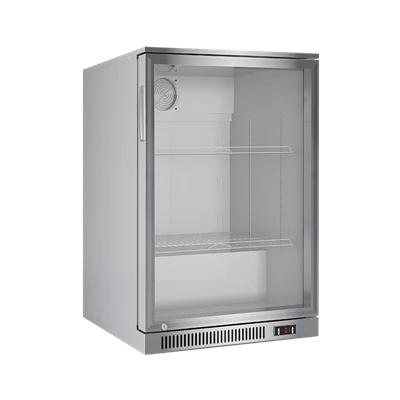
If after all that, your reach-in still won’t hold temp, don’t mess around with guessing—reach out to us. We’re not just a supplier, we work on these units every day, so we can help you figure out if it’s a simple fix or if you need a tune-up. We’ve helped hundreds of small businesses keep their food safe and their fridges running right, no junk repairs, no overcharging. Just real, helpful stuff. So if you’re tired of spoiled stock, energy bills that are too high, or your fridge just not working like it should, hit us up to talk through it—we’d be happy to help you get your reach-in temp dialed in, and keep your business running smooth.
Back Bar Cooler References:
- U.S. Food and Drug Administration. (2022). Food Safety Basics: Refrigerator and Freezer Temperatures. Retrieved from public health guidelines for commercial food storage
- National Restaurant Association. (2021). Commercial Reach-In Refrigerator Operation and Maintenance Guide. Retrieved from foodservice equipment safety standards
- Energy Star. (2020). Tips for Maintaining Commercial Refrigerators to Reduce Energy Use. Retrieved from energy efficiency best practices for commercial appliances
Zhejiang Xingbao Electrical Appliances Co., Ltd.
As one of the most professional reach-in refrigerator manufacturers and suppliers in China, we also support customized service. Welcome to wholesale bulk high quality reach-in refrigerator in stock here from our factory. If you have any enquiry about pricelist, please feel free to email us.
Address: No. 10 Baisha Road, Lianhang Development Zone, Chang’an Town, Haining City, Jiaxing City, Zhejiang Province, China
E-mail: zjxingbao@gmail.com
WebSite: https://www.sunborncn.com/
