As a supplier of mobile tunnel kilns, I’ve witnessed firsthand the growing need for energy – efficient solutions in the industry. Mobile tunnel kilns are widely used in various fields such as ceramics, refractory materials, and brick – making. However, their high energy consumption has been a long – standing concern for both manufacturers and the environment. In this blog, I’ll share some practical strategies on how to reduce the energy consumption of a mobile tunnel kiln. Mobile Tunnel Kiln
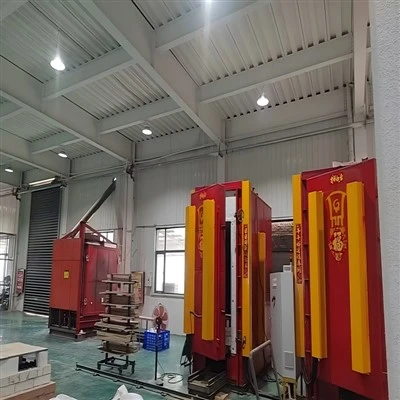
1. Optimize the Kiln Design
The design of the mobile tunnel kiln plays a crucial role in its energy efficiency. A well – designed kiln can minimize heat loss and ensure uniform temperature distribution.
- Insulation: High – quality insulation materials should be used to reduce heat leakage. For example, ceramic fiber blankets are excellent insulation materials that can significantly reduce the heat transfer from the kiln interior to the outside. By properly insulating the kiln walls, roof, and floor, we can maintain a stable internal temperature and reduce the energy required to heat the kiln.
- Kiln Shape and Size: The shape and size of the kiln also affect its energy consumption. A compact and well – proportioned kiln design can reduce the volume of air that needs to be heated, thereby saving energy. Additionally, the aspect ratio of the kiln should be optimized to ensure efficient heat transfer and gas flow.
2. Improve Combustion Efficiency
The combustion process is the main source of energy consumption in a mobile tunnel kiln. Improving combustion efficiency can directly reduce the amount of fuel used.
- Fuel Selection: Choosing the right fuel is essential. Different fuels have different calorific values and combustion characteristics. For example, natural gas is a clean and efficient fuel that can provide high – temperature heat with relatively low emissions. By using high – quality fuels, we can ensure more complete combustion and reduce energy waste.
- Combustion Control Systems: Installing advanced combustion control systems can precisely regulate the air – fuel ratio. These systems can monitor the oxygen content in the flue gas and adjust the fuel supply accordingly. By maintaining an optimal air – fuel ratio, we can ensure complete combustion and minimize the formation of unburned fuel and pollutants.
3. Recover Waste Heat
A significant amount of heat is wasted in the exhaust gases of a mobile tunnel kiln. Recovering this waste heat can greatly improve the overall energy efficiency of the kiln.
- Heat Exchangers: Heat exchangers can be installed to transfer the heat from the exhaust gases to the incoming fresh air or fuel. For example, a recuperative heat exchanger can pre – heat the combustion air using the waste heat from the exhaust gases. This pre – heating process reduces the energy required to heat the air to the combustion temperature, thereby saving fuel.
- Waste Heat Utilization: The recovered waste heat can also be used for other purposes, such as drying the raw materials before they enter the kiln. By utilizing the waste heat in this way, we can further reduce the overall energy consumption of the production process.
4. Optimize Loading and Unloading Processes
The way we load and unload the products in the mobile tunnel kiln can also affect its energy efficiency.
- Proper Loading Density: Ensuring a proper loading density can improve the heat transfer efficiency within the kiln. Over – loading or under – loading the kiln can lead to uneven temperature distribution and increased energy consumption. By following the recommended loading density, we can ensure that the products are heated evenly and efficiently.
- Quick Loading and Unloading: Minimizing the time taken for loading and unloading can reduce the heat loss from the kiln. Using automated loading and unloading systems can significantly speed up these processes and keep the kiln at a more stable temperature.
5. Implement Energy Management Systems
An energy management system (EMS) can help monitor and control the energy consumption of the mobile tunnel kiln.
- Data Monitoring: An EMS can collect and analyze data on energy consumption, temperature, and other operating parameters. By monitoring these data in real – time, we can identify areas of high energy consumption and take appropriate measures to optimize the kiln operation.
- Automated Control: The EMS can be used to automate the operation of the kiln, such as adjusting the temperature, fuel supply, and air flow. Automated control can ensure that the kiln operates at its optimal energy efficiency level at all times.
6. Employee Training
Well – trained employees are essential for reducing the energy consumption of a mobile tunnel kiln.
- Energy – Saving Awareness: Training employees on energy – saving concepts and practices can raise their awareness of the importance of energy conservation. They can then take proactive measures to reduce energy waste in their daily work.
- Proper Operation Skills: Providing employees with proper training on the operation of the mobile tunnel kiln can ensure that it is operated efficiently. This includes training on how to adjust the kiln parameters, load and unload the products correctly, and maintain the kiln in good condition.
7. Regular Maintenance
Regular maintenance of the mobile tunnel kiln is crucial for its energy efficiency.
- Sealing Inspection: Checking the seals of the kiln doors, joints, and other openings regularly can prevent heat leakage. Any damaged seals should be replaced immediately to maintain the kiln’s thermal efficiency.
- Equipment Maintenance: Maintaining the burners, fans, and other equipment in the kiln is also important. Regular cleaning, lubrication, and calibration of these equipment can ensure their proper operation and reduce energy consumption.
In conclusion, reducing the energy consumption of a mobile tunnel kiln requires a comprehensive approach that includes optimizing the kiln design, improving combustion efficiency, recovering waste heat, optimizing loading and unloading processes, implementing energy management systems, training employees, and performing regular maintenance. By implementing these strategies, we can not only reduce the operating costs of the kiln but also contribute to a more sustainable environment.
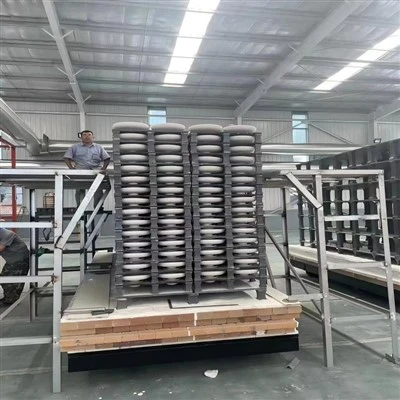
If you’re interested in our mobile tunnel kilns and want to learn more about how we can help you reduce energy consumption, we’d love to have a conversation with you. Feel free to reach out to us for a detailed discussion on your specific requirements and how our kilns can meet your needs.
Rotary Kiln References:
- "Industrial Kiln Technology" by John Smith
- "Energy Efficiency in Ceramic Manufacturing" by Jane Doe
- "Advances in Combustion Technology" by Robert Johnson
Henan Yaxin Kiln Co., Ltd.
Henan Yaxin Kiln Co., Ltd. is one of the most professional mobile tunnel kiln manufacturers and suppliers in China. With abundant experience, we warmly welcome you to buy high quality mobile tunnel kiln with the latest design from our factory. Good service and punctual delivery are available.
Address: Jixian Industrial Zone, Shangqiu City, Henan Province
E-mail: 1543563178@qq.com
WebSite: https://www.hnyxkiln.com/
