In the realm of composite materials, the performance of aluminate coupling agents in systems with multiple fillers is a topic of great interest. As a supplier of aluminate coupling agents, I’ve witnessed firsthand the transformative impact these agents can have on composite materials. In this blog, I’ll delve into how aluminate coupling agents perform in composite materials with multiple fillers, exploring their mechanisms, benefits, and practical applications. Aluminate Coupling Agents

Understanding Aluminate Coupling Agents
Aluminate coupling agents are a class of chemical compounds designed to improve the interfacial interaction between inorganic fillers and organic polymers. They possess unique chemical structures that allow them to bond with both the surface of inorganic fillers and the polymer matrix. This dual functionality is crucial for enhancing the compatibility and dispersion of fillers in the polymer, leading to improved mechanical, thermal, and chemical properties of the composite material.
The general structure of an aluminate coupling agent consists of an organo – functional group, a central aluminum atom, and a hydrolyzable group. The organo – functional group can react with the polymer matrix, while the hydrolyzable group can react with the surface of the inorganic filler. This reaction forms a strong chemical bond between the filler and the polymer, effectively bridging the gap between the two phases.
Performance in Composite Materials with Multiple Fillers
1. Compatibility and Dispersion
One of the primary challenges in composite materials with multiple fillers is achieving good compatibility and dispersion among different types of fillers. Different fillers have different surface properties, such as surface energy, particle size, and shape. Aluminate coupling agents can help overcome these differences by modifying the surface of the fillers.
For example, when using a combination of calcium carbonate and glass fibers as fillers in a polymer matrix, the aluminate coupling agent can react with the surface of both fillers. It forms a thin layer on the filler surface, reducing the surface energy and preventing filler agglomeration. This results in a more uniform dispersion of the fillers in the polymer matrix, which is essential for improving the mechanical properties of the composite.
2. Mechanical Properties
The addition of aluminate coupling agents can significantly enhance the mechanical properties of composite materials with multiple fillers. By improving the interfacial adhesion between the fillers and the polymer matrix, the coupling agents transfer stress more effectively from the polymer to the fillers.
In a composite material with multiple fillers, such as a blend of talc and mica in a polypropylene matrix, the aluminate coupling agent can increase the tensile strength, flexural strength, and impact resistance. The improved interfacial bonding allows the fillers to bear more load, preventing premature failure of the composite under stress.
3. Thermal Properties
Thermal stability is another important aspect of composite materials. Aluminate coupling agents can improve the thermal properties of composite materials with multiple fillers. They can reduce the thermal expansion coefficient of the composite, making it more dimensionally stable at high temperatures.
When using a combination of graphite and ceramic fillers in a polymer matrix, the aluminate coupling agent can enhance the thermal conductivity of the composite. The improved interfacial contact between the fillers and the polymer matrix allows for better heat transfer, which is beneficial for applications where heat dissipation is critical.
4. Chemical Resistance
Composite materials often need to withstand various chemical environments. Aluminate coupling agents can improve the chemical resistance of composite materials with multiple fillers. By forming a protective layer on the filler surface, they can prevent the penetration of chemicals into the composite.
In a composite material with multiple fillers exposed to acidic or alkaline solutions, the aluminate coupling agent can protect the fillers from chemical attack. This helps maintain the integrity of the composite and extends its service life in harsh chemical environments.
Mechanisms of Action
The performance of aluminate coupling agents in composite materials with multiple fillers can be attributed to several mechanisms:
1. Chemical Bonding
As mentioned earlier, aluminate coupling agents form chemical bonds with both the inorganic fillers and the organic polymer. The hydrolyzable group of the coupling agent reacts with the hydroxyl groups on the filler surface, forming a covalent bond. The organo – functional group reacts with the polymer matrix, either through chemical reactions or physical interactions. This dual bonding mechanism enhances the interfacial adhesion between the filler and the polymer.
2. Surface Modification
Aluminate coupling agents modify the surface properties of the fillers. They reduce the surface energy of the fillers, making them more compatible with the polymer matrix. This surface modification also improves the wetting of the fillers by the polymer, leading to better dispersion.
3. Steric Hindrance
The aluminate coupling agents can create a steric hindrance around the filler particles. This prevents the filler particles from agglomerating and promotes a more uniform dispersion in the polymer matrix. The steric hindrance also helps to maintain the stability of the composite structure.
Practical Applications
The performance of aluminate coupling agents in composite materials with multiple fillers has led to a wide range of practical applications:
1. Automotive Industry
In the automotive industry, composite materials with multiple fillers are used for various components, such as body panels, interior parts, and under – the – hood components. Aluminate coupling agents can improve the mechanical properties, thermal stability, and chemical resistance of these composites, making them more suitable for automotive applications.
2. Construction Industry
In the construction industry, composite materials with multiple fillers are used for building materials, such as pipes, panels, and insulation materials. Aluminate coupling agents can enhance the strength, durability, and fire resistance of these composites, contributing to the safety and performance of buildings.
3. Electronics Industry
In the electronics industry, composite materials with multiple fillers are used for printed circuit boards, heat sinks, and encapsulation materials. Aluminate coupling agents can improve the thermal conductivity and electrical properties of these composites, meeting the high – performance requirements of electronic devices.
Conclusion
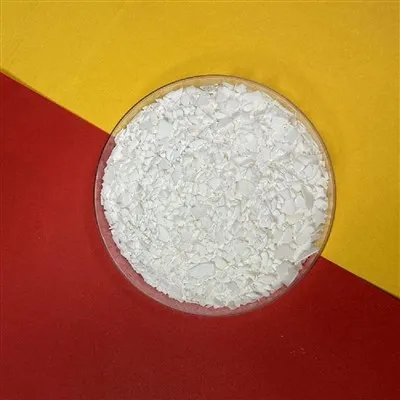
Aluminate coupling agents play a crucial role in the performance of composite materials with multiple fillers. They improve the compatibility, dispersion, mechanical properties, thermal properties, and chemical resistance of these composites. Through their unique mechanisms of action, aluminate coupling agents enhance the interfacial interaction between the fillers and the polymer matrix, creating a more robust and high – performance composite material.
Titanate Coupling Agents If you are interested in using aluminate coupling agents in your composite materials, I encourage you to reach out to discuss your specific needs. Our team of experts can provide you with detailed information on the selection and application of aluminate coupling agents, as well as offer technical support to ensure the best performance of your composite materials.
References
- Plueddemann, E. P. (1991). Silane Coupling Agents. Plenum Press.
- Mittal, K. L. (Ed.). (1992). Coupling Agents in Composite Materials. VSP.
- Wang, Y., & Yu, Z. (2007). Surface modification of inorganic fillers with aluminate coupling agents and their application in polymer composites. Journal of Applied Polymer Science, 104(3), 1633 – 1639.
Shandong Chunqian New Material Co., Ltd.
As one of the most professional aluminate coupling agents manufacturers and suppliers in China, we also support customized service. Please feel free to buy discount aluminate coupling agents made in China here from our factory. Quality products and low price are available.
Address: Room 602, Leshang Commerial Building, intersection 0f Xueyuan Road And jianxin Street, shengcheng Sub-district, shouguang City, Weifang, shandong
E-mail: z15866134776@163.com
WebSite: https://www.cqcouplingagent.com/
