Hey there! I’m a supplier of cast parts, and today I wanna chat about the cooling process for cast parts. It’s a super important part of the whole casting deal, and understanding it can really help you get the best quality parts for your projects. Cast Parts
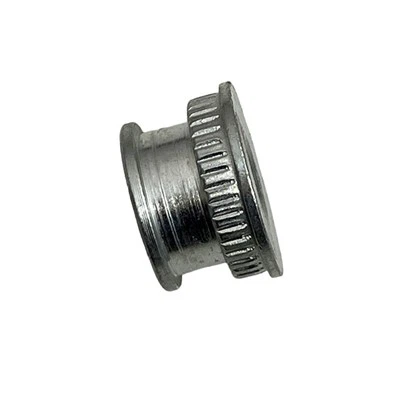
So, let’s start from the basics. When we’re making cast parts, we first heat up the metal until it turns into a liquid. This molten metal is then poured into a mold that has the shape of the part we want to make. Once the metal is in the mold, it starts to cool down. And this cooling process is where the magic happens.
The cooling process of cast parts is all about controlling how fast the metal solidifies. Different metals have different cooling requirements, and getting it right is crucial for the final quality of the part. If the metal cools too fast, it can lead to things like cracks and internal stresses. On the other hand, if it cools too slowly, the part might have a coarse grain structure, which can make it weaker.
One of the key factors in the cooling process is the type of metal we’re using. For example, aluminum cools relatively quickly compared to steel. Aluminum has a lower melting point and a higher thermal conductivity, which means it can transfer heat away faster. So, when we’re casting aluminum parts, we need to make sure the cooling rate is just right to avoid any issues.
Another important factor is the design of the mold. The mold plays a big role in how the metal cools. A well – designed mold can help control the cooling rate by providing proper heat transfer channels. For instance, if the mold has thick sections in some areas, the metal in those sections will cool more slowly. We can use things like cooling fins or internal cooling channels in the mold to help even out the cooling process.
Let’s talk about some of the common cooling methods we use. One of the simplest methods is air cooling. This is where we just let the cast part sit in the air and cool naturally. It’s a cost – effective way, but it might not be suitable for all types of parts. Air cooling is usually slow, and it might not be able to achieve the right cooling rate for some high – performance metals.
Water cooling is another popular method. We can immerse the cast part in water or spray water on it to speed up the cooling process. Water has a high heat capacity, which means it can absorb a lot of heat from the metal quickly. However, water cooling needs to be carefully controlled. If the part cools too rapidly in water, it can cause thermal shock, which can lead to cracks.
There’s also a method called forced air cooling. We use fans to blow air over the cast part, which helps to increase the rate of heat transfer. This method is a bit faster than natural air cooling and can be a good compromise between air and water cooling.
Now, let’s dig a bit deeper into the science behind the cooling process. When the molten metal starts to cool, it goes through a phase change from a liquid to a solid. This phase change is accompanied by the release of latent heat. As the metal solidifies, it forms a crystal structure. The size and orientation of these crystals can have a big impact on the mechanical properties of the part.
A fine – grained structure is generally better because it gives the part more strength and ductility. To achieve a fine – grained structure, we need to control the cooling rate. By cooling the metal at an appropriate rate, we can encourage the formation of many small crystals instead of a few large ones.
In our company, we’ve spent a lot of time and effort optimizing the cooling process for our cast parts. We use advanced monitoring systems to keep an eye on the temperature during the cooling process. This allows us to make adjustments in real – time to ensure that the parts cool at the right rate.
We also do a lot of testing on our cast parts. After the cooling process is complete, we perform various tests to check the quality of the parts. These tests include things like hardness testing, microstructure analysis, and non – destructive testing. By doing these tests, we can make sure that the parts meet the required standards and specifications.
Another aspect of the cooling process is the post – cooling treatment. Sometimes, after the part has cooled down, we might need to perform additional heat treatment to relieve any internal stresses. This can involve heating the part to a specific temperature and then cooling it slowly. This post – cooling treatment can improve the mechanical properties of the part and make it more reliable.
As a cast parts supplier, we know how important it is to get the cooling process right. It’s not just about making the parts look good; it’s about ensuring that they perform well in the real world. Whether you’re in the automotive industry, aerospace, or any other field that uses cast parts, you need parts that are strong, durable, and reliable.
If you’re in the market for high – quality cast parts, I encourage you to reach out to us. We have a team of experts who are dedicated to providing the best products and services. We can work with you to understand your specific requirements and ensure that the cooling process is tailored to meet your needs.

Contact us today to start a conversation about your cast part needs. We’re here to help you get the best parts for your projects.
Turned Parts References:
- "Foundry Engineering" by John Campbell
- "Metallurgy for Dummies" by Jeff Duck
Hangzhou Zhalihui Import And Export Co., Ltd.
We are one of the most experienced cast parts manufacturers and suppliers in China, specialized in providing high quality customized products. Please feel free to buy discount cast parts in stock here from our factory. Contact us for quotation.
Address: Room 2801, Building 2, Taifu Plaza, No.17, Tonghui Middle Road, Chengxiang Street, Xiaoshan, Hangzhou, Zhejiang
E-mail: Chars_1979@hotmail.com
WebSite: https://www.zhalihui.com/
