Hey there! I’m a supplier of Resistance Temperature Detectors (RTDs), and today I wanna chat about how to measure the temperature of a moving object using an RTD. It’s a pretty cool topic, and I’ll share some practical tips based on my experience in the industry. Resistance Temperature Detector

Why Use an RTD for Measuring Moving Objects?
First off, let’s talk about why RTDs are a great choice for measuring the temperature of moving objects. RTDs are known for their high accuracy and stability. They work based on the principle that the electrical resistance of a metal changes with temperature. This means they can provide very precise temperature readings, which is super important when you’re dealing with moving objects where the temperature might be changing rapidly.
Another advantage of RTDs is their durability. They can withstand harsh environments, which is often the case when measuring the temperature of moving objects. Whether it’s in a high – speed industrial machine or a moving vehicle, RTDs can hold up well and keep giving accurate readings.
Challenges of Measuring Moving Objects
Measuring the temperature of a moving object isn’t without its challenges. One of the biggest issues is the physical connection between the RTD and the object. Since the object is moving, you need to ensure that the RTD stays in contact with it to get an accurate reading. If the RTD loses contact even for a short time, the reading can be off.
Vibration is another problem. Moving objects often vibrate, and this can cause the RTD to move or even get damaged. So, you need to find a way to secure the RTD properly to the moving object to minimize the impact of vibration.
Steps to Measure the Temperature of a Moving Object
Step 1: Choose the Right RTD
The first step is to choose the right RTD for the job. There are different types of RTDs, such as platinum, nickel, and copper. Platinum RTDs are the most common because they offer high accuracy and stability over a wide temperature range. You also need to consider the resistance value of the RTD. The most common resistance values are 100 ohms and 1000 ohms.
Step 2: Mount the RTD
Mounting the RTD on the moving object is crucial. You need to make sure it’s in good contact with the surface of the object. One way to do this is by using a thermally conductive adhesive. This will help transfer the heat from the object to the RTD. Another option is to use a spring – loaded mounting device. This can keep the RTD in contact with the object even if there’s some movement or vibration.
Step 3: Protect the RTD
Since the object is moving, the RTD is more likely to be exposed to physical damage. You can protect it by using a protective sheath. This can be made of metal or ceramic, depending on the environment. The sheath will also help to insulate the RTD from external factors that could affect the temperature reading.
Step 4: Connect the RTD to a Measuring Device
Once the RTD is mounted on the moving object, you need to connect it to a measuring device. This could be a temperature transmitter or a data logger. Make sure the connections are secure to avoid any signal loss.
Step 5: Calibrate the System
Before you start taking measurements, it’s important to calibrate the system. This ensures that the temperature readings are accurate. You can use a calibration standard to compare the readings from the RTD with a known temperature.
Tips for Success
- Regular Maintenance: Check the RTD and its connections regularly to make sure everything is working properly. Over time, the connections can loosen or the RTD can get damaged, which can affect the accuracy of the readings.
- Use a Filter: Since the object is moving, there might be some electrical noise in the signal. Using a filter can help reduce this noise and give you a more accurate reading.
- Monitor the Temperature Continuously: Keep an eye on the temperature readings over time. This can help you detect any sudden changes or trends, which could indicate a problem with the moving object or the RTD itself.
Real – World Applications
There are many real – world applications where measuring the temperature of a moving object is important. For example, in the automotive industry, RTDs can be used to measure the temperature of the engine, transmission, or brakes. In the aerospace industry, they can be used to monitor the temperature of aircraft engines during flight.
In the manufacturing industry, RTDs can be used to measure the temperature of moving conveyor belts or rotating machinery. This helps to ensure that the equipment is operating within the correct temperature range, which can prevent breakdowns and improve efficiency.
Conclusion
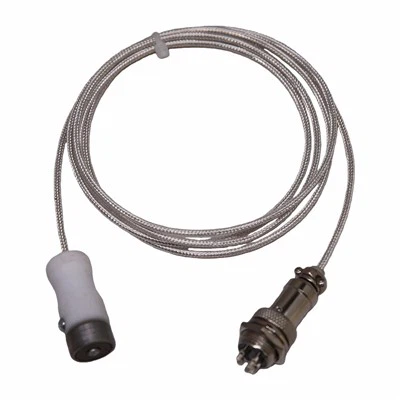
Measuring the temperature of a moving object using an RTD is a challenging but achievable task. By choosing the right RTD, mounting it properly, protecting it, and calibrating the system, you can get accurate temperature readings. Remember to do regular maintenance and monitor the temperature continuously to ensure the best results.
Digital Temperature Controller If you’re in the market for high – quality RTDs for measuring the temperature of moving objects, I’d love to have a chat with you. Whether you’re working on an industrial project, an automotive application, or anything in between, I can help you find the right RTD for your needs. Don’t hesitate to reach out to me to start a conversation about your requirements.
References
- ASTM E1137/E1137M – 17, Standard Specification for Industrial Platinum Resistance Thermometers.
- International Electrotechnical Commission (IEC) 60751:2008, Industrial platinum resistance thermometers and platinum temperature sensors.
Jiangsu Zhaolong Electric Co., Ltd.
We’re well-known as one of the leading resistance temperature detector manufacturers and suppliers in China, featured by quality products and low price. Please feel free to buy customized resistance temperature detector made in China here from our factory. Contact us for more details.
Address: No. 80, Zhangguo Chang’an Road, Dainan Town, Xinghua City, Jiangsu Province
E-mail: 180193845@qq.com
WebSite: https://www.cnzhaolong.com/
